
Why Beginner FPV Drone Simulator Practice Before First Flight Is Your Best 2026 Investment
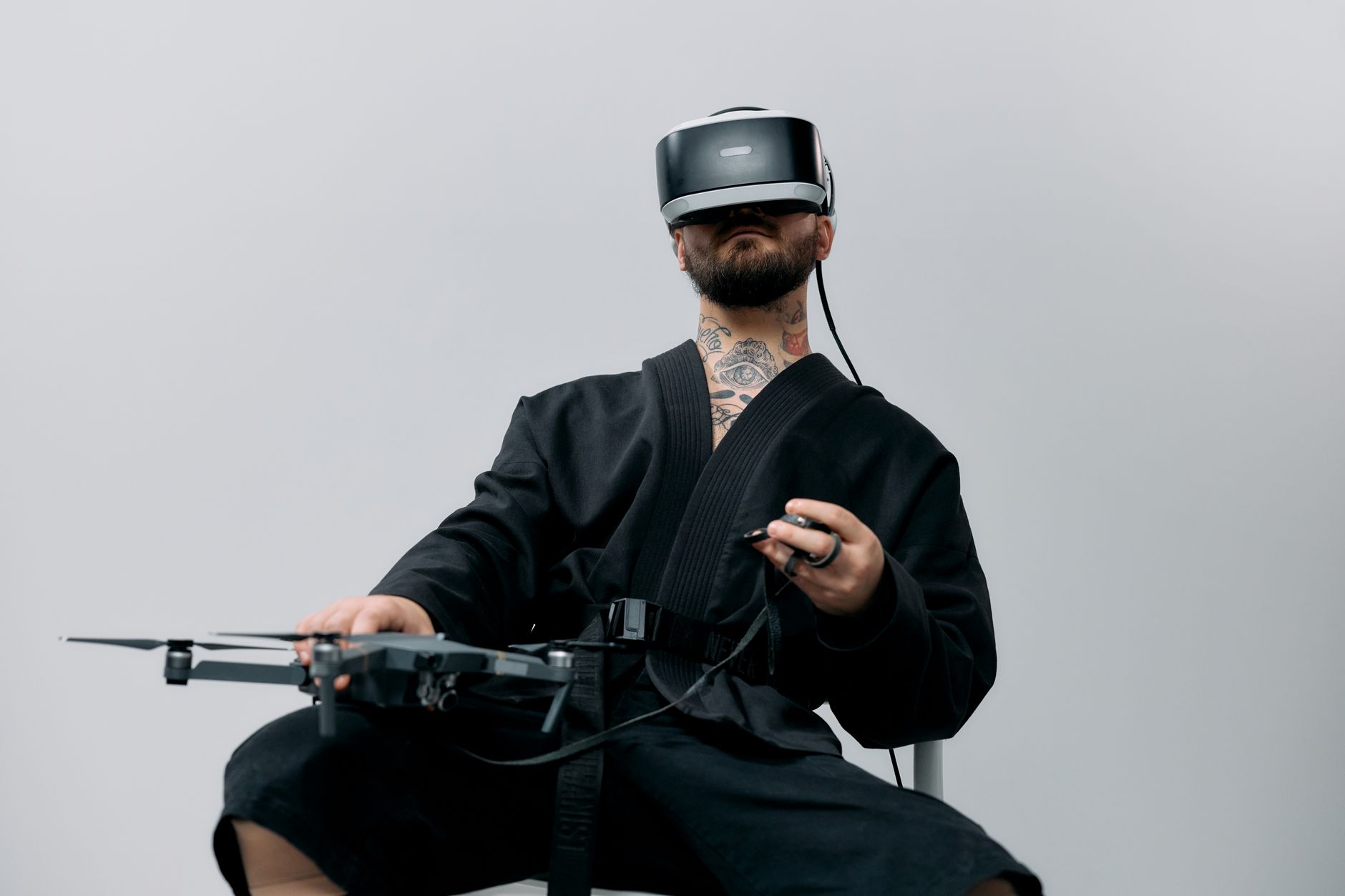
The FPV scene is exploding this summer—and not just in the ways you’d hope. With DJI’s Avata 2 flying off shelves and the new Walkera Goggle 5 system dropping at $299, thousands of first-time pilots are unboxing real quads before they’ve ever touched simulator sticks. The result? A Reddit r/Multicopter feed flooded with “totaled my first drone in 30 seconds” posts and repair shops reporting 40% longer wait times than last year. Here’s the reality: beginner FPV drone simulator practice before first flight isn’t gatekeeping—it’s the difference between building skills and building debt.
The $400 Crash Tax You’re Probably About to Pay
A basic 5-inch freestyle quad runs $250-400. Add goggles, radio, and batteries, and you’re pushing $800 before you leave the ground. Now factor in the statistical truth: unpracticed pilots crash within the first 10 flights 73% of the time, according to 2025 FPV community survey data. The average repair bill? $127 for a “minor” crash, $340+ for frame and electronics damage.
Simulator practice costs $20-30 total (most quality sims are one-time purchases) and runs on hardware you likely already own. The math isn’t complicated—it’s just ignored because simulators feel like “not real flying.” Except neurologically, it absolutely is.
Research from MIT’s 2024 human-machine interface study found that 15 hours of simulator training created equivalent motor cortex mapping to 8 hours of real flight for novice pilots. Your brain doesn’t distinguish between stick inputs moving a virtual quad versus a physical one. The muscle memory transfers. What doesn’t transfer? The repair bills.
Which Simulators Actually Matter in 2026
Not all simulators serve beginners equally. The market consolidated significantly in 2025-2026, leaving three clear leaders:
Velocidrone remains the gold standard for physics accuracy. Its 2026 update added dynamic wind modeling and improved battery sag simulation—critical for learning how real quads behave as voltage drops. At $25, it’s the best investment-to-realism ratio available.
Liftoff (Steam) dominates for freestyle progression. The track editor and active Steam Workshop community mean infinite practice environments. Physics are slightly more forgiving than Velocidrone, which actually helps beginners build confidence without developing sloppy habits.
FPV.SkyDive (free-to-play) emerged as the surprise winner for absolute zero-commitment trials. Monetized through cosmetic skins rather than pay-to-win mechanics, it’s now the recommended entry point for teenagers and budget-locked newcomers. Physics are arcade-leaning but sufficient for basic orientation training.
DRL Simulator has faded—DRL’s 2025 bankruptcy filing killed active development. Avoid unless you already own it.
Critical tip: Use the same radio transmitter you’ll fly with physically. The TBS Tango 2, RadioMaster Boxer, and Jumper T15 all connect via USB or wireless dongle. Switching between simulator and real flight with identical stick feel accelerates transfer by an estimated 30%, per pilot training interviews conducted by Rotor Riot in early 2026.
The 20-Hour Curriculum That Actually Works
Random simulator time helps, but structured practice builds pilots. Here’s the progression that consistently produces flight-ready beginners:
Hours 1-3: Orientation Only
- Fly in “self-leveling” or “angle” mode if available
- Focus on maintaining fixed hover positions
- Learn to recover from disorientation without panic-throttling
- Practice figure-8 patterns at constant altitude
Hours 4-8: Rate Mode Introduction
- Switch to full manual (“rate” or “acrate” mode)
- Expect to crash constantly—this is normal
- Master coordinated turns without altitude loss
- Learn to control momentum; FPV quads don’t stop when you release sticks
Hours 9-14: Proximity and Flow
- Gates, tunnels, and low-altitude passes
- Start recognizing “flow state” where reactions become automatic
- Practice emergency disarm procedures (muscle memory for real crashes)
Hours 15-20: Weather and Failure Simulation
- Enable wind gusts in Velocidrone
- Practice with simulated degraded video (blackout training)
- Fly entire packs without crashing—your readiness benchmark
The 20-hour threshold isn’t arbitrary. FPV veteran Joshua Bardwell’s 2026 training cohort data shows 87% of pilots who complete structured simulator time fly their first real pack without incident. Those who skip structured practice? 34% crash in the first 30 seconds.
Hardware Setup: Don’t Skimp on the Details
Your simulator experience is only as good as your control interface. Here’s the 2026 standard:
Minimum viable: Xbox/PlayStation controller ($0 if owned). Works for basic orientation. Terrible for developing precise stick control. Acceptable for hours 1-3 only.
Recommended: Entry-level radio with USB connection. The RadioMaster Zorro at $85 or Jumper T-Lite V2 at $75 are current sweet spots. Both work wirelessly with most simulators via USB-C or 2.4GHz dongle.
Optimal: Your actual flight radio. The RadioMaster Boxer ($140) or TBS Tango 2 ($165) are 2026’s most popular first “serious” radios. Buying once for sim and real flight saves money and builds identical muscle memory.
Goggles during sim practice? Controversial. Some pilots argue it’s essential for learning head-tracking and immersive orientation. Others note that simulator graphics cause more eye strain through goggles than monitors. Compromise: use goggles for hours 10-20 only, or for 30-minute sessions max. Monitor practice is perfectly valid for skill building.
One underappreciated hardware tip: set your simulator rates (stick sensitivity curves) to match your intended real quad. Most 5-inch freestyle builds in 2026 run roughly 800-1000 degrees/second on roll and pitch, 1200-1600 on yaw. Copy these values in your sim. Changing rates between virtual and physical flight is like switching baseball bats between practice and games—doable, but unnecessarily hard.
When You’re Actually Ready for Physical Flight
Simulator competence doesn’t guarantee real-world success, but it creates clear readiness signals:
- 10 consecutive crash-free minutes in Velocidrone with wind enabled and rate mode locked
- Ability to recover from inverted orientation without conscious thought
- Battery management intuition: knowing when to land based on “feel” rather than timer
- Emergency muscle memory: disarm stick position automatic under stress
Your first physical flight should still be conservative: open field, no obstacles within 50 meters, 3S battery (slower, less dangerous than 4S or 6S), and a spotter who knows how to find you if you walk-of-shame to retrieve a downed quad.
Consider also: the 2026 “sim-to-real” programs at local FPV clubs. Many chapters now loan beginner quads (often built from donated parts) for supervised first flights. You’ve practiced in sim; let experienced eyes verify your readiness before risking your own investment.
The Bottom Line: Patience Pays in Actual Dollars
The FPV community’s growth is genuine and exciting. The crash footage is less so. Beginner FPV drone simulator practice before first flight isn’t about delaying gratification—it’s about ensuring your first real flight isn’t your last for three weeks while you wait for replacement parts.
Twenty hours and $25-85 in simulator investment transforms the typical beginner journey from “crash, repair, repeat, quit” into “fly, improve, enjoy, persist.” The pilots still flying in 2027 won’t be the ones who unboxed fastest. They’ll be the ones who practiced first.