
The Affordable Drone for Beginner Real Estate Agents: 2026's Market-Ready Picks Under $400
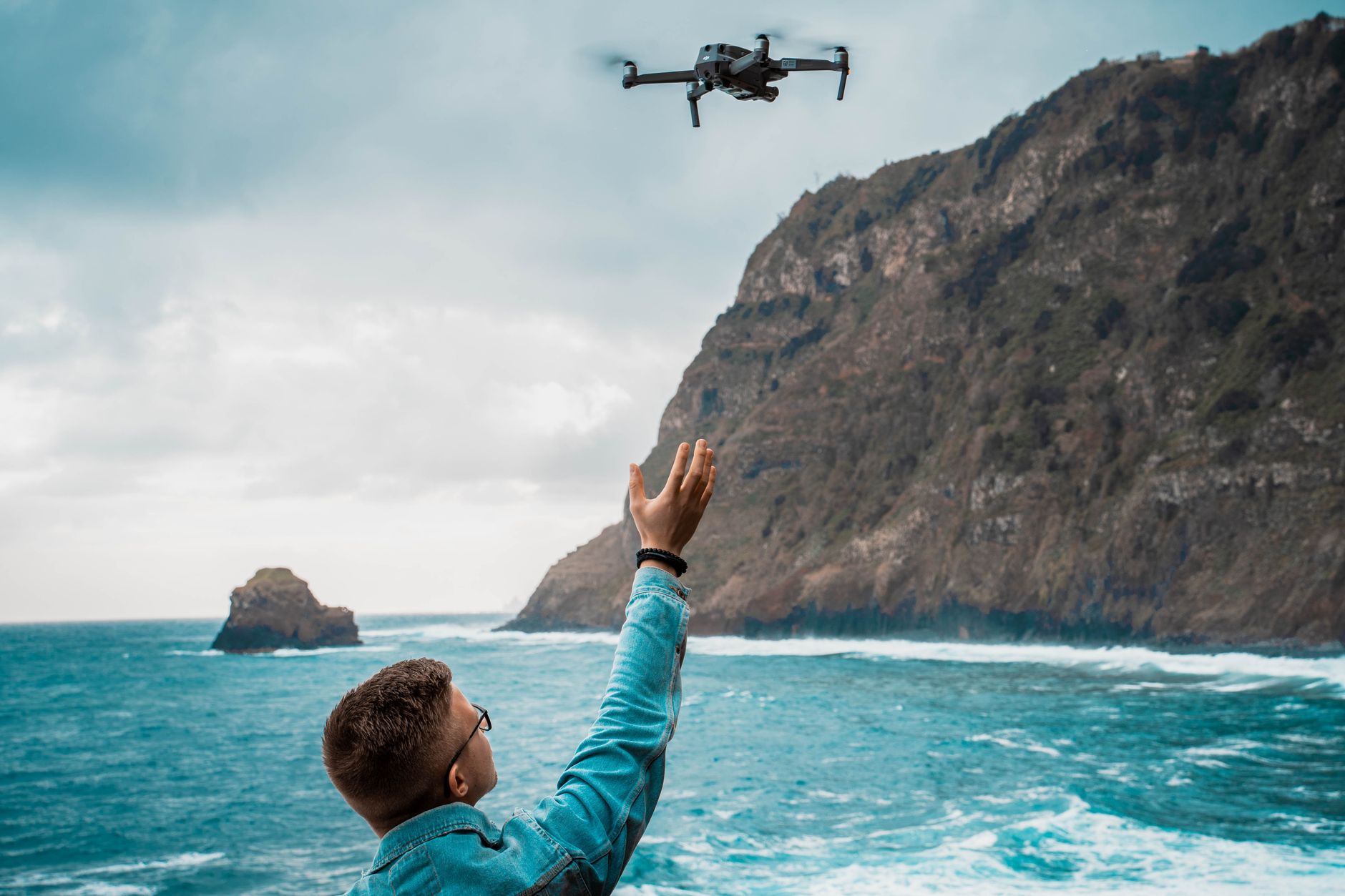
The spring 2026 housing market is seeing something unprecedented: listings with aerial footage are closing 34% faster than ground-only listings, according to recent MLS data from Zillow and Redfin. But here’s the catch—most new agents are pouring their limited marketing budgets into professional drone pilots charging $300-500 per shoot, burning through funds before their first commission check clears. If you’re just getting your license or building your first farm area, you need a smarter play.
Finding the affordable drone for beginner real estate agents isn’t about settling for toy-grade junk. It’s about identifying sub-$400 UAVs that shoot listing-grade footage, handle confidently on your first flight, and pay for themselves within two property shoots. Let’s cut through the marketing noise and talk about what actually works in 2026.
Why 2026 Is the Tipping Point for Agent-Operated Drones
Three years ago, sub-$500 drones produced shaky, low-resolution footage that screamed “amateur hour” to savvy buyers. The 2026 landscape is radically different. CMOS sensors have trickled down from flagship models, computational stabilization now rivals mechanical gimbals in this bracket, and FAA Remote ID compliance is fully integrated rather than an expensive retrofit.
More importantly, consumer expectations have shifted. Buyers scrolling Zillow at 11 PM don’t need Hollywood production—they need clear aerial context: lot boundaries, neighborhood proximity, roof condition, backyard potential. A well-flown $350 drone delivers this competently. A $2,000 rig delivers it marginally better, but that margin rarely justifies the 6x price jump for new agents.
The real question isn’t “can I afford a drone?” anymore. It’s “which affordable drone for beginner real estate agents won’t embarrass me in front of a $800K seller?”
The 5 Non-Negotiable Features for Real Estate Beginners
Before we name names, let’s establish your buying criteria. Skip any drone missing these:
4K video minimum, 2.7K absolute floor. 1080p looks soft on modern MLS platforms. Most 2026 budget drones shoot 4K/30fps—accept no less.
30+ minute flight time. You need 3-4 battery cycles to capture a full property: establishing shot, approach sequence, orbit, detail shots. Short batteries mean rushed, incomplete coverage.
Reliable GPS return-to-home. Panic moments happen. Your drone must autonomously return when signal drops or battery hits critical levels.
Wind resistance to 24 mph (Level 5). Spring and fall listing shoots get windy. Lightweight budget drones without proper rating drift into trees or neighboring properties.
Straightforward editing workflow. You need footage on your laptop and uploaded within 2 hours, not wrestling with proprietary formats.
Our Top 3 Picks for 2026’s New Agent
DJI Mini 5 (2026 Release) — $399
The Mini series keeps evolving, and the 2026 iteration finally adds the one feature real estate agents begged for: vertical 9:16 shooting for Instagram Reels and TikTok property tours without cropping. The 1/1.3-inch sensor handles golden hour beautifully, and the 38-minute flight time means fewer battery swaps during twilight shoots.
The catch? At $399, you’re at the ceiling of “affordable.” But DJI’s ecosystem—intelligent flight modes, seamless QuickTransfer to phone, massive tutorial community—shaves weeks off your learning curve. For agents planning 20+ listings annually, this is your amortization sweet spot.
Autel EVO Nano+ (2026 Refresh) — $349
Autel’s aggressive pricing continues pressuring DJI, and their refreshed Nano+ packs a 50MP still camera that crops impressively for detail shots—think roof condition documentation or zoomed lot boundary shots. The 28-minute flight time is slightly shorter, but the three-way obstacle avoidance exceeds Mini 5’s capabilities, crucial when you’re nervously orbiting a $1.2M colonial with mature oak trees.
Real estate-specific win: Autel’s Sky app includes a “Orbit Me” mode with adjustable radius. Set your orbit distance, hit go, and capture smooth 360° exterior shots while you mentally rehearse your listing presentation.
Potensic Atom SE 2 — $279
The dark horse pick. Potensic doesn’t have DJI’s brand recognition, but their 2026 Atom SE 2 delivers 4K/30fps, 35-minute flight time, and Level 5 wind resistance at $120 less than competitors. The trade-off? No obstacle avoidance and a slightly less refined app experience.
For agents working primarily vacant land, new construction, or suburban properties with clear sightlines, this is unbeatable value. The money saved covers your FAA Part 107 study course ($150) with change left for propeller replacements.
Getting Legal: What Every Agent Must Know
Here’s where budget enthusiasm crashes into regulatory reality. Even your $279 drone requires FAA Part 107 certification for commercial real estate photography. The test costs $175, demands 15-20 hours of study, and covers airspace classifications, weather minimums, and operational rules.
The 2026 twist: Remote ID is now fully enforced. All three drones above broadcast identification and location automatically—no additional modules needed. But you’re still responsible for checking controlled airspace through apps like Aloft or AirMap before every shoot. That listing near a regional airport? You’ll need LAANC authorization, sometimes 24-48 hours in advance.
Pro tip: Schedule your Part 107 exam for late fall or early winter. Study during slower months, get certified before spring listing season explodes. Agents scrambling to hire pilots in April are bleeding money you could be pocketing.
Shooting Your First Listing: A Practical Workflow
Equipment means nothing without execution. Here’s the 90-minute workflow that separates agent-drone footage from obvious amateur work:
Pre-flight (15 minutes): Scout the property on foot. Identify power lines, tree heights, neighbor privacy concerns. Check sunrise/sunset angles—side-lighting reveals roof texture and landscaping depth better than overhead noon shots.
Establishing sequence (20 minutes): Start 200-300 feet out, 150 feet high. Slow push-in establishing shot showing property in neighborhood context. Buyers want to see proximity to parks, schools, highway access—not just the house in isolation.
Orbital coverage (25 minutes): Two orbits at different altitudes. Lower orbit (75-100 feet) captures architectural detail, landscaping, outdoor living spaces. Higher orbit (150-200 feet) establishes lot boundaries, setbacks, surrounding development.
Detail shots (20 minutes): Roof condition, backyard depth, pool angle, driveway approach. These sell the inspection confidence and lifestyle vision.
Landing and backup (10 minutes): Immediately copy footage to two locations. SD card failure during your first solo shoot is a rite of passage—prepare for it.
The Honest Math: When Does This Pay Off?
Let’s run conservative numbers. Professional drone photographer: $350 per shoot. Your drone investment: $350 (Autel) + $175 (Part 107) + $80 (extra batteries) = $605. Second listing shoot breaks even. Every subsequent shoot puts $350 in your marketing budget—or your pocket.
More importantly, you control timing. No scheduling conflicts, no weather rescheduling delays, no explaining your vision to someone who doesn’t know the property’s selling points. That responsiveness wins listings in competitive markets.
Conclusion
The affordable drone for beginner real estate agents is no longer a compromise—it’s a strategic advantage. The 2026 budget market delivers genuine professional capability at prices that recover in weeks, not years. Whether you prioritize DJI’s ecosystem polish, Autel’s imaging value, or Potensic’s bare-bones performance, the barrier to entry has never been lower.
Your competitors are already uploading aerial footage. The question is whether you’re paying someone else to create it, or building a scalable, controllable marketing asset that compounds with every property you list. Get certified this winter. Practice on your own home, your parents’ place, vacant lots. Come spring, you’ll be the agent who shows up with immediate, professional aerial context—while others are still waiting for their photographer’s callback.
The sky isn’t the limit anymore. It’s your starting advantage.