
How to Fly FPV Drone in Wind: 7 Proven Techniques for 2026
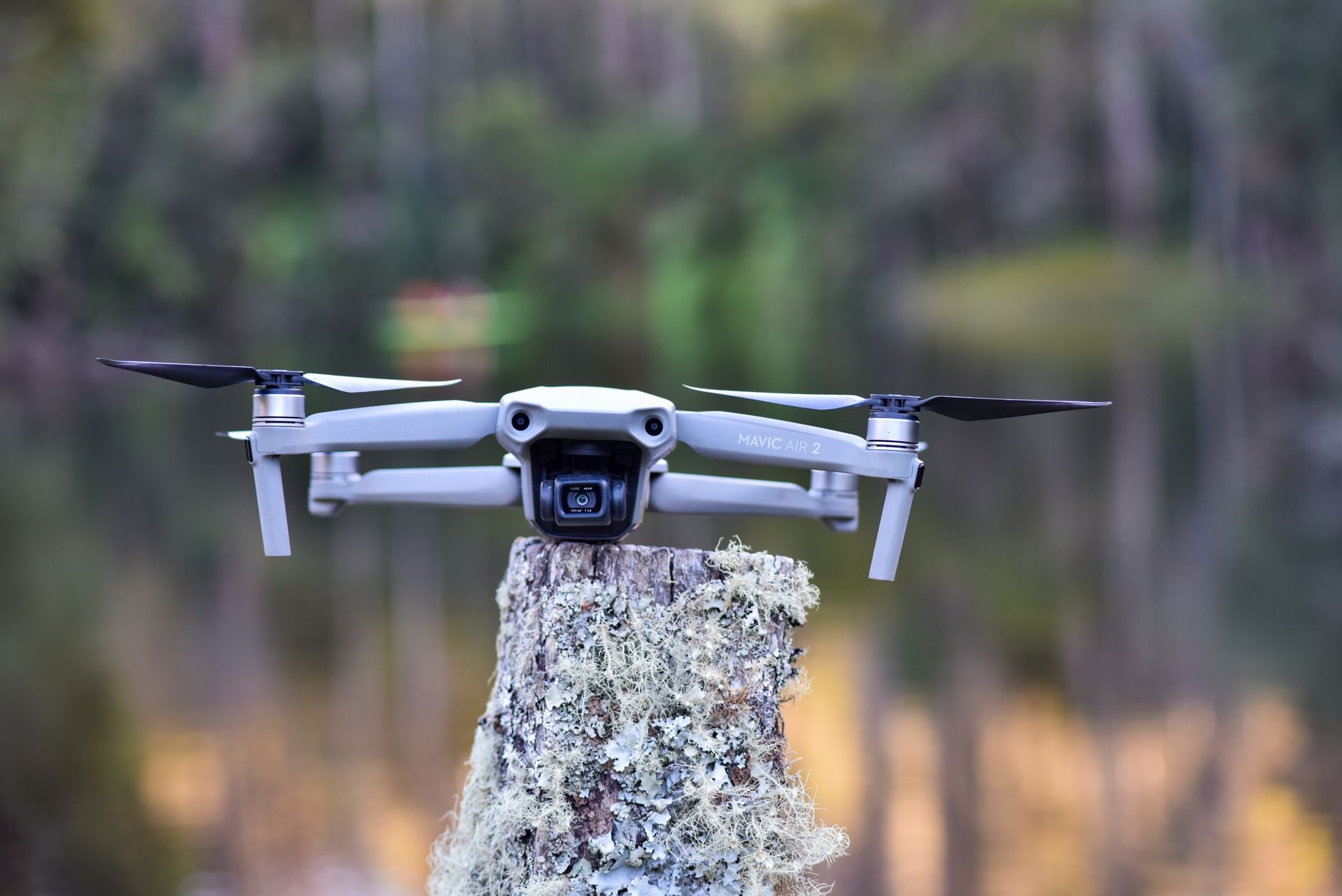
Why Fall 2026 Is the Perfect Time to Master Wind Flying
The leaves are turning, race organizers are finalizing their winter indoor schedules, and if you’ve been following the FPV scene this October, you know the MultiGP championship qualifiers just wrapped up in some seriously gnarly conditions. Pilots who dominated calm summer qualifiers found themselves fighting 25mph gusts, and the separation between podium finishers and everyone else wasn’t raw speed—it was wind mastery.
Learning how to fly fpv drone in wind separates hobbyists from serious pilots. While your drone’s spec sheet might claim “Level 5 wind resistance,” that marketing jargon means nothing when you’re 200 feet up with a storm front rolling in. This guide delivers battle-tested techniques from competitive racers and professional aerial cinematographers who fly when others stay grounded.
Reading the Wind Before You Arm
Most pilots check the weather app and call it good. That’s amateur hour. Professional FPV pilots develop a pre-flight ritual that takes five minutes but saves thousands in repairs.
The 3-2-1 Wind Check System:
- 3 altitude layers: Check surface conditions, then estimate 50-foot and 200-foot wind speeds. Wind typically doubles at altitude—if it’s 10mph at ground level, expect 20mph where you’ll actually fly.
- 2 visual indicators: Watch tree tops (not just leaves) and flags. Trees swaying in one direction with occasional gusts from another signals turbulent shear layers.
- 1 smoke test: Seriously, carry a small smoke pen or even vape. Watching how smoke behaves at different heights reveals invisible rotor and turbulence patterns.
Pro tip for 2026: The new DJI O4 Air Unit’s telemetry now includes real-time wind estimation based on motor thrust data. Enable this in your OSD—it’s a game-changer for understanding what your quad is actually fighting.
Throttle Management: Your Primary Weapon
When learning how to fly fpv drone in wind, throttle discipline beats stick skills every time. Here’s what separates smooth footage from crash compilations.
The 60/40 Rule: In sustained winds above 15mph, maintain 60% throttle as your baseline, using the remaining 40% for gust compensation. Most beginners fly at 40% and have nothing left when a 25mph gust hits. You’re not being aggressive—you’re being prepared.
Punching Through vs. Riding It Out: Headwinds require committed throttle punches. Don’t feather the stick; give it a solid 2-second burst to penetrate the wind layer, then settle back. Tailwinds demand the opposite—chop throttle early because your quad will accelerate faster than your brain processes.
The Golden Number: Keep your quad’s weight-to-power ratio above 1:3 for confident wind penetration. If you’re running a heavy GoPro setup on a 5-inch freestyle quad, consider switching to a naked GoPro or the new Insta360 GO 3S for wind sessions. That 80-gram savings transforms handling.
Body Positioning and Angle of Attack
Your quad’s orientation determines whether wind becomes your enemy or tool. This is where physics meets artistry.
Crab Angle Technique: In crosswinds, don’t fight to keep your nose pointed at your destination. Instead, angle 15-30 degrees into the wind and let it push you sideways onto your line. Think of it like a ferry crossing a river—aim upstream of your target. The 2026 racing meta has shifted toward aggressive crabbing, with top pilots like Evan “Headsup” Turner using 45-degree angles in 20mph winds.
Low and Fast vs. High and Slow: Wind speed increases with altitude (the boundary layer effect). When conditions get spicy, drop to 10-15 feet where surface friction slows the wind. You’ll sacrifice some efficiency but gain control. Conversely, if you need to glide and conserve battery, climb to 100+ feet where laminar flow is smoother.
The Turtle Mode Wind Hack: Modern flight controllers like the SpeedyBee F7 V3 allow turtle mode adjustments for wind. Increase your turtle mode motor output by 20%—when you inevitably get flipped by a gust, you’ll have the authority to self-right even while being pushed backward.
Line Selection and Terrain Reading
Where you fly matters as much as how you fly. Wind behaves predictably around obstacles, and smart pilots use this to their advantage.
The Wind Shadow Rule: Buildings and trees create protected zones extending 3-5 times their height downwind. A 30-foot building gives you 90-150 feet of relatively calm air. Use these for recovery, battery swaps, or regaining composure.
Rotor Zones to Avoid: The turbulent area directly behind obstacles extends 10-15 times the obstacle height. Flying through a building’s rotor in 20mph wind is like hitting a wall of Jell-O while riding a bucking bronco. You’ll tumble, and your PID controller can’t save you.
Ridge Lift for Fun: When wind hits a slope, it deflects upward. Flying the windward side of hills gives you free lift—essentially slope soaring with a motor. This is how mountain FPV pilots in Colorado and Utah extend flight times to 12+ minutes in conditions that ground flatland flyers.
Emergency Procedures When Wind Wins
Even the best pilots get caught. Having a plan separates a bad story from a totaled quad.
The Immediate Response Protocol:
-
Climb or dive? Counterintuitively, diving often works better. Wind speed typically decreases near ground, and you maintain forward momentum. Climbing into stronger wind drains battery fighting the gust.
-
Kill the camera, save the quad: If you’re carrying a separate HD camera, jettison it if possible (many 2026 frames have quick-release mounts). A $300 GoPro beats a $800 rebuild.
-
The controlled crash: Sometimes down is the only option. Pick your spot—bushes beat pavement, water beats concrete. Cut throttle 10 feet up and let it drop. Modern frames like the ImpulseRC Apex Evo survive 30-foot drops into grass with only prop damage.
Battery reserve rule: Land with 25% minimum when winds exceed 15mph. That buffer has saved countless quads when pilots needed extra minutes to fight back from a downwind drift.
Conclusion: Embrace the Suck
Learning how to fly fpv drone in wind isn’t about waiting for perfect conditions—it’s about expanding your skill envelope so marginal days become flyable days. The 2026 racing season has already proven that wind mastery separates champions from participants. Start with 10mph days, focus on throttle discipline and crabbing, then progressively push your limits.
Your first windy session will feel like wrestling a shopping cart in a hurricane. By your tenth, you’ll find yourself checking wind forecasts with excitement rather than dread. The sky doesn’t close when the breeze picks up—it just demands more from those who enter it. Now get out there and earn your wind wings.