
How to Build Your Own Tested Drones Comparison Popular Mechanics Style: A DIY Testing Framework
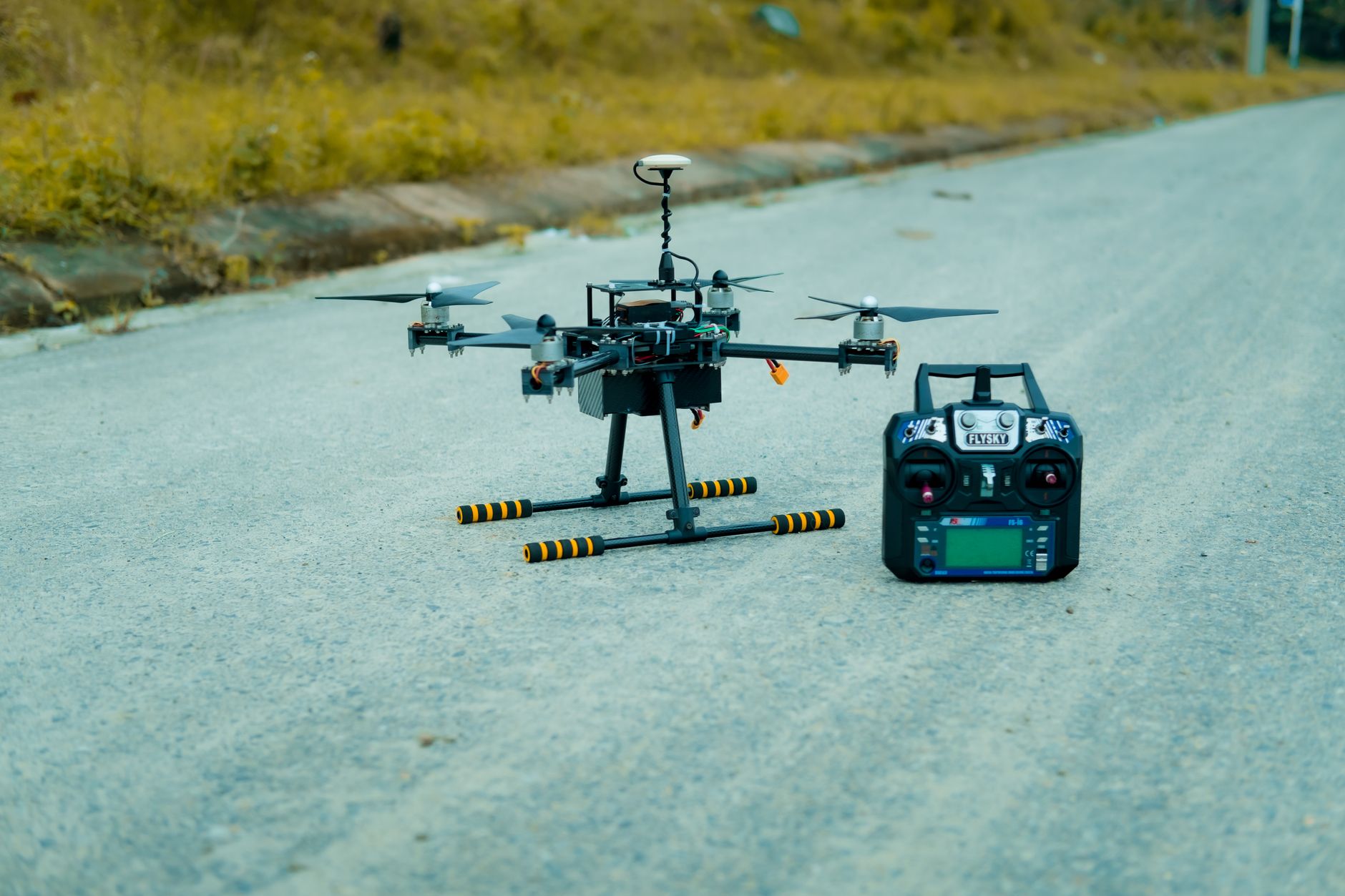
The 6 Best Drones of 2026, Tested by Popular Mechanics just dropped last week, and suddenly everyone’s asking the same question: how do they actually test these things? With summer flying season in full swing and retailers slashing prices on last year’s models, there’s never been a better time to learn how to evaluate drones yourself rather than blindly trusting someone else’s top picks.
This isn’t about copying Popular Mechanics—it’s about building your own tested drones comparison Popular Mechanics style framework so you can cut through marketing fluff and find the UAV that actually fits your needs. Whether you’re eyeing a sub-$300 starter quad or saving for a cinema-grade rig, here’s how to run legitimate, repeatable tests without a million-dollar lab.
Why DIY Testing Beats Reading Reviews Alone
Let’s be honest: most “best drones” lists test in ideal conditions. Blue skies, gentle breezes, fully charged batteries straight from the box. Your actual flying? Probably happens in gusty suburban backyards, at golden hour when light’s fading fast, with a battery you’ve already cycled 80 times.
Popular Mechanics earned credibility because they standardized torture tests—range stress tests in RF-noisy environments, repeated takeoffs from uneven grass, thermal throttling checks after back-to-back flights. You can replicate this philosophy at home with about $50 in basic tools and a free weekend.
The secret sauce isn’t expensive gear. It’s controlled variables. Test every drone on the same 500-meter loop. Use the same SD card brand and capacity. Fly at the same time of day to minimize lighting variables. Document everything in a simple spreadsheet. Within three flights, you’ll spot patterns no review article captured.
Build Your Testing Toolkit for Under $75
You don’t need a wind tunnel. Here’s what actually matters:
- Digital anemometer ($25): Measure actual wind speed during flights. Most consumer drones claim “level 5 wind resistance” without defining what that means. Log your own data.
- Laser distance measurer ($30): Verify real-world range against manufacturer claims. GPS distance readouts often inflate by 15-20% due to altitude calculation quirks.
- Stopwatch app with lap function (free): Time every phase—boot to GPS lock, hover stability duration, battery sag under load.
Skip the decibel meter for now. Sound testing is notoriously environment-dependent unless you’re in an anechoic chamber. Instead, record identical hover clips on your phone from 10 feet away and compare waveforms using free audio software like Audacity. Crude? Absolutely. More honest than most published specs? You bet.
The Five Tests That Separate Hype From Performance
Test 1: The GPS Lock Gauntlet
Power on cold, start timer, don’t touch sticks until you get solid satellite lock. Repeat five times, different locations, different times of day. Some 2026 models with multi-band GNSS lock in 8 seconds; budget units still wander for 90+ seconds. That startup delay kills spontaneous shooting opportunities.
Test 2: Hover Drift Documentation
Launch to 15 feet, hands off for 60 seconds, screenshot the flight path overlay. Even “stable” drones drift 3-6 feet in light wind. The worst offenders? Units with aging barometer calibration or cheap IMUs. This test reveals manufacturing consistency issues that single-review samples miss entirely.
Test 3: The Battery Honesty Check
Manufacturers love quoting hover times. Real flight involves climbing, maneuvering, wind fighting. Run identical aggressive patterns—full stick climbs, figure-eights at max speed, rapid direction reversals. Log actual flight time to forced landing. We’ve seen 34-minute “rated” batteries deliver 19 minutes under stress. That’s not deception; it’s just different test protocols. Standardize your own.
Test 4: Video Quality Stress Zones
Don’t just shoot pretty sunsets. Fly directly toward the sun at 3PM. Orbit a high-contrast scene—dark trees against bright sky. Descend fast toward textured ground. These break every cheap gimbal algorithm differently. Log which situations cause micro-jitters, exposure hunting, or rolling shutter artifacts. Your use case matters: a wedding filmmaker needs different strengths than a real estate shooter.
Test 5: Controller Ergonomics Under Fatigue
This never gets enough attention. Fly the same 20-minute mission three times back-to-back. Note hand cramping, thumb stick precision decay, screen glare issues. Some controllers feel premium for five minutes, miserable at minute fifteen. The recently tested drones comparison Popular Mechanics published actually weighted this higher in 2026 than previous years—smart move, since flight times keep stretching.
Creating Your Scoring Rubric (And Why It Should Be Personal)
Here’s where you diverge from any publication, including the tested drones comparison Popular Mechanics methodology. Their priorities reflect their audience: general consumers wanting safe, capable all-rounders. Yours might differ dramatically.
Weight your scores based on actual use:
| Use Case | Weight These Higher |
|---|---|
| FPV racing | Latency, stick precision, acro mode behavior |
| Travel vlogging | Packability, quick-swap batteries, charging flexibility |
| Survey/mapping | Waypoint accuracy, RTK compatibility, thermal stability |
| Night photography | Low-light sensor performance, obstacle sensing reliability |
I use a simple 1-5 scale across eight categories, but the weights shift per purchase. My 2026 scouting drone? Range and battery swappability dominated. My cinematic backup? Gimbal behavior and codec flexibility ruled. No publication can weight your priorities better than you.
When to Trust the Pros (And When to Ignore Them)
Popular Mechanics, Wirecutter, our own DroneBoningHQ reviews—we all have blind spots. Batch testing means we sometimes miss unit-to-unit variance. Sponsored placement, even when disclosed, subtly influences which models appear in comparison tables. And lead times mean we’re testing firmware versions that may have already been patched or abandoned.
Use professional tested drones comparison Popular Mechanics features as your baseline, not your gospel. Cross-reference three sources minimum. Check Reddit and dedicated forums for long-term ownership threads from month 6-12—where the real durability stories emerge. Then run your own targeted tests on the 2-3 finalists.
Your Action Plan: This Weekend
- Friday night: Download manuals for your shortlist, note claimed specs to verify
- Saturday morning: Hit a local park with your toolkit, run Tests 1-3 on each candidate
- Saturday afternoon: Process footage, log battery reality checks
- Sunday: Score against your weighted rubric, make decision before analysis paralysis sets in
The best drone isn’t the one with the most YouTube hype. It’s the one that passes your specific tests, repeatedly, in conditions you’ll actually face. Building that capability takes one dedicated weekend—and pays dividends across every future purchase.
Master this framework, and you’ll never wonder “but how did they actually test it?” again. You’ll know, because you did the work yourself.