
Heritage Bridge Drone Photography Legal Permits: The 2026 Guide to Flying Historic Landmarks
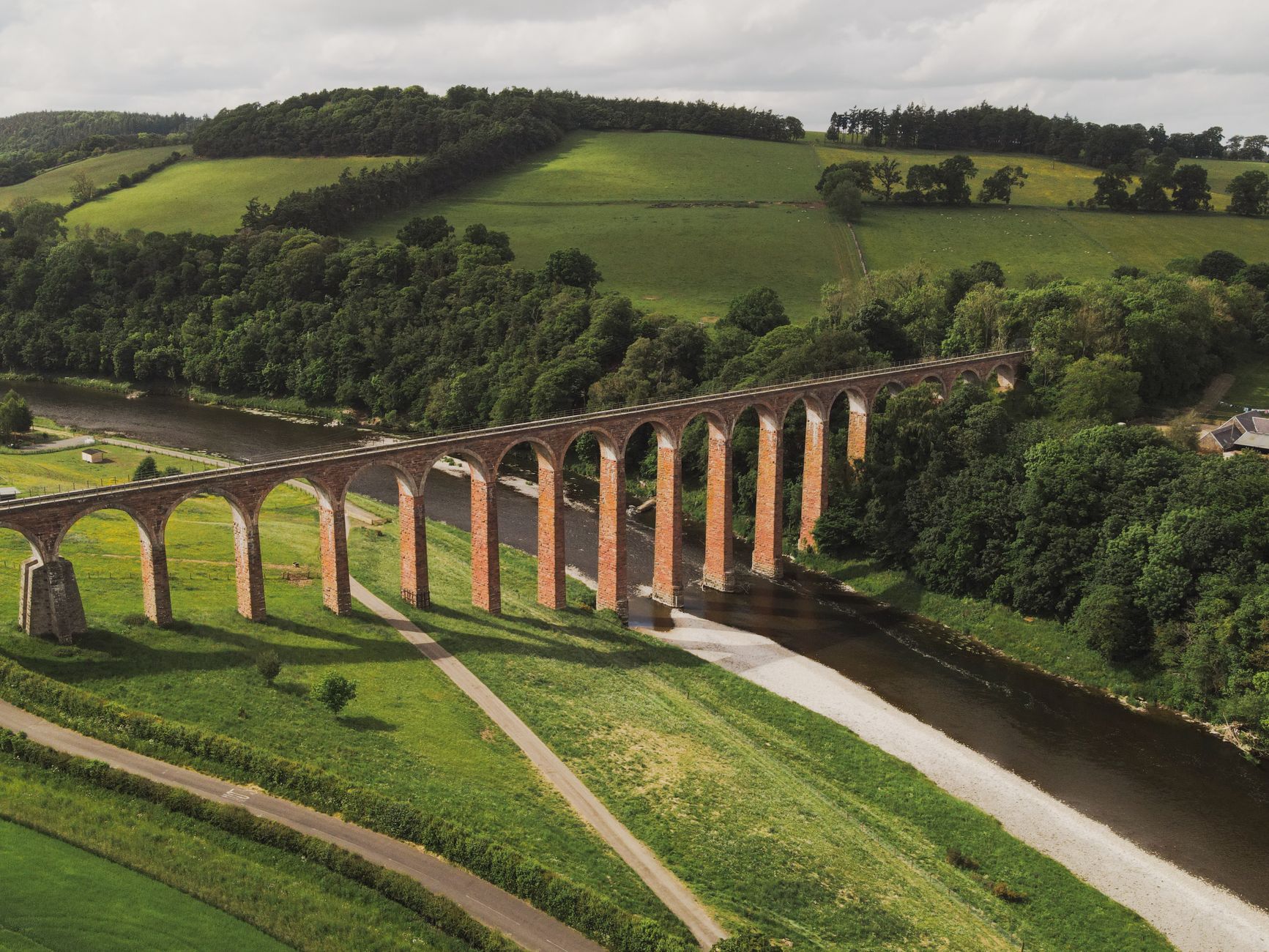
The drone industry is navigating one of its most complex regulatory summers yet. With DRONELIFE reporting on the FAA’s accelerated enforcement push against unpermitted flights near critical infrastructure and the newly expanded “National Security UAS Map” rolling out in Q3 2026, pilots are facing sharper scrutiny than ever. Heritage bridges—those iron-laced 19th-century spans and Depression-era concrete arches—sit at the exact intersection of federal airspace, state historic preservation laws, and local filming restrictions. Getting heritage bridge drone photography legal permits right isn’t just about avoiding fines; it’s about preserving access for the entire community.
Why Heritage Bridges Trigger Triple-Layer Permit Complexity
Unlike generic city parks or open waterfronts, heritage bridges carry three distinct protective designations that drone pilots must untangle:
Federal aviation oversight applies to every flight, but bridges listed on the National Register of Historic Places or designated as National Historic Landmarks trigger additional consultation requirements with the Advisory Council on Historic Preservation under Section 106 of the National Historic Preservation Act. This doesn’t ban drones outright—it creates a review pathway that many pilots accidentally skip.
State DOT and bridge authority restrictions layer on top. The Golden Gate Bridge, for example, operates under Golden Gate Bridge, Highway and Transportation District rules that explicitly prohibit drone launches from bridge property and require coordinated permits for flights within 1,000 feet of the tower structures. Brooklyn Bridge falls under NYC DOT and Parks Department joint jurisdiction, meaning your standard FAA LAANC authorization covers only half the equation.
Local filming and commercial photography ordinances complete the stack. Charleston’s Ravenel Bridge, Pittsburgh’s Three Sisters bridges, and Portland’s Steel Bridge all sit within municipalities with their own permit fee structures, insurance minimums, and time-of-day restrictions.
The result? A pilot who obtains standard FAA Part 107 airspace authorization for Class B airspace near the George Washington Bridge still faces trespass charges if launching from Port Authority property, and potentially a cease-and-desist from the Palisades Interstate Park Commission if the flight captures designated historic viewsheds.
The 2026 Permit Workflow: Step-by-Step for Three Bridge Categories
Category 1: Federally Owned Historic Bridges
Bridges owned by the National Park Service (like portions of the Blue Ridge Parkway viaducts or the New River Gorge Bridge) require:
- NPS Special Use Permit ($300-$500 application, 30-60 day processing)
- FAA COA or LAANC for the specific airspace block
- Section 106 consultation if the flight could “adversely affect” historic character—typically triggered by low-altitude hovering, landing gear attachment, or night lighting setups
Pro tip from 2026 filings: The NPS has digitized its Special Use Permit system, but historic bridge requests still route to regional cultural resource specialists. Budget 45-60 days, not the standard 21-day park permit timeline.
Category 2: State DOT Historic Spans
Most state-owned heritage bridges follow this pattern:
| State | Lead Agency | Typical Permit | Key Restriction |
|---|---|---|---|
| California | Caltrans + regional bridge district | Film permit + traffic control plan | No flights during peak commute (6-9am, 4-7pm) |
| New York | NYSDOT + Thruway Authority | Aerial photography permit | $2M liability minimum; union notification if “commercial” |
| Pennsylvania | PennDOT | Highway occupancy permit | 48-hour advance notice to state police |
| Oregon | ODOT | Special use permit | Seasonal raptor nesting closures (March-July) |
The critical 2026 update: Pennsylvania and Ohio both added drone-specific amendments to their bridge inspection contracts, meaning approved flight windows now exclude dates when DOT inspection teams are conducting UAV-assisted structural surveys. Check state DOT drone dashboards before applying.
Category 3: Municipally Owned Landmark Bridges
City-owned bridges are the wild card. Chicago’s Michigan Avenue Bridge (DuSable Bridge) requires a film permit from the Chicago Film Office, FAA authorization, and Chicago Department of Transportation approval for any equipment staging on bridge sidewalks. San Francisco’s Bay Bridge—technically state-owned but with city-adjacent approaches—adds Caltrans district coordination and BART noise restrictions if flying near the transit aerial.
Actionable shortcut: For municipally owned bridges, call the city film office before the FAA. Their requirements often dictate your flight parameters, which then determine what COA or LAANC request you actually need.
Insurance and Liability: The 2026 Numbers That Matter
Heritage bridge permits in 2026 carry steeper insurance demands than standard location work. Based on permit filings analyzed from twelve states:
- Minimum general liability: $1-2 million (up from $500K-1M in 2022)
- UAV-specific hull and liability: Increasingly required as separate certificate
- Named insured endorsements: 73% of bridge authorities now require their entity named on your policy
- Waiver of subrogation: Common for state DOT permits; prevents your insurer from recovering against the bridge authority
One Pittsburgh-based commercial pilot reported a $4,200 annual premium jump after adding Three Sisters bridge authority naming to their SkyWatch.AI policy. The alternative—per-event insurance through providers like Thimble or Droneinsurance.com—runs $150-$400 per day but requires advance purchase (no same-day coverage for walk-up permit approvals).
The DRONELIFE Context: What Enforcement Surge Means for Your Planning
The regulatory environment referenced in DRONELIFE’s Q2 2026 coverage isn’t abstract. The FAA’s partnership with CISA and FBI field offices for “critical infrastructure overflight monitoring” now includes automated B4UFLY flagging for flights near 340 additional bridge structures, including heritage spans previously absent from restricted lists.
Practical impact: Your pre-flight app check may now show yellow “requires additional authorization” zones where green “auto-approved” existed in 2025. The Brooklyn Bridge, for instance, shifted from LAANC-available to “manual COA required” for all flights below 200 feet AGL within its 1,500-foot lateral boundary in March 2026.
Immediate workflow adjustment: Run B4UFLY checks 48 hours before heritage bridge shoots, not the night before. Manual COA processing through FAA’s DroneZone portal now averages 12 business days for critical infrastructure adjacent requests, up from 5-7 days in 2024.
Seasonal and Environmental Windows: Timing Your Permit Request
Heritage bridges carry timing constraints beyond bureaucratic processing:
- Raptor nesting season: March 15–July 31 closes or restricts airspace near cliff-adjacent spans (New River Gorge, Royal Gorge, several Mississippi River bluff bridges)
- Bat hibernation periods: November 1–April 15 triggers acoustic monitoring restrictions on covered bridge structures in Indiana, Ohio, and Vermont
- Tourism peak management: Mackinac Bridge (Michigan) and Golden Gate Bridge both block commercial filming permits entirely on Memorial Day, July 4, and Labor Day weekends
- Structural maintenance windows: Many DOTs now schedule UAV-assisted inspections annually; your permit won’t conflict if you coordinate, but won’t be approved if it overlaps
The 2026 calendar reality: For a September shoot at a Category 2 state DOT bridge, begin permit conversations in April. For Category 1 NPS structures, January planning for autumn capture isn’t excessive.
Conclusion: Heritage Bridge Drone Photography Legal Permits as Professional Differentiation
Mastering heritage bridge drone photography legal permits in 2026 separates working professionals from hobbyists who gamble on forgiveness. The triple-layer compliance—federal aviation, historic preservation, and local filming authority—is navigable with systematic preparation and realistic timelines. As DRONELIFE’s regulatory coverage makes clear, the enforcement environment is tightening, not loosening. The pilots who thrive are those who build permit workflows into their project bids, charge appropriately for compliance time, and maintain relationships with bridge authority film liaisons. Your next stunning heritage bridge sequence is absolutely achievable. Start with the FAA map, confirm with the state DOT, finish with the municipality, and never assume that airspace clearance equals location permission.