
Best Drones for Wildlife Photography 2026: Silent Flyers That Won't Spook Your Subject
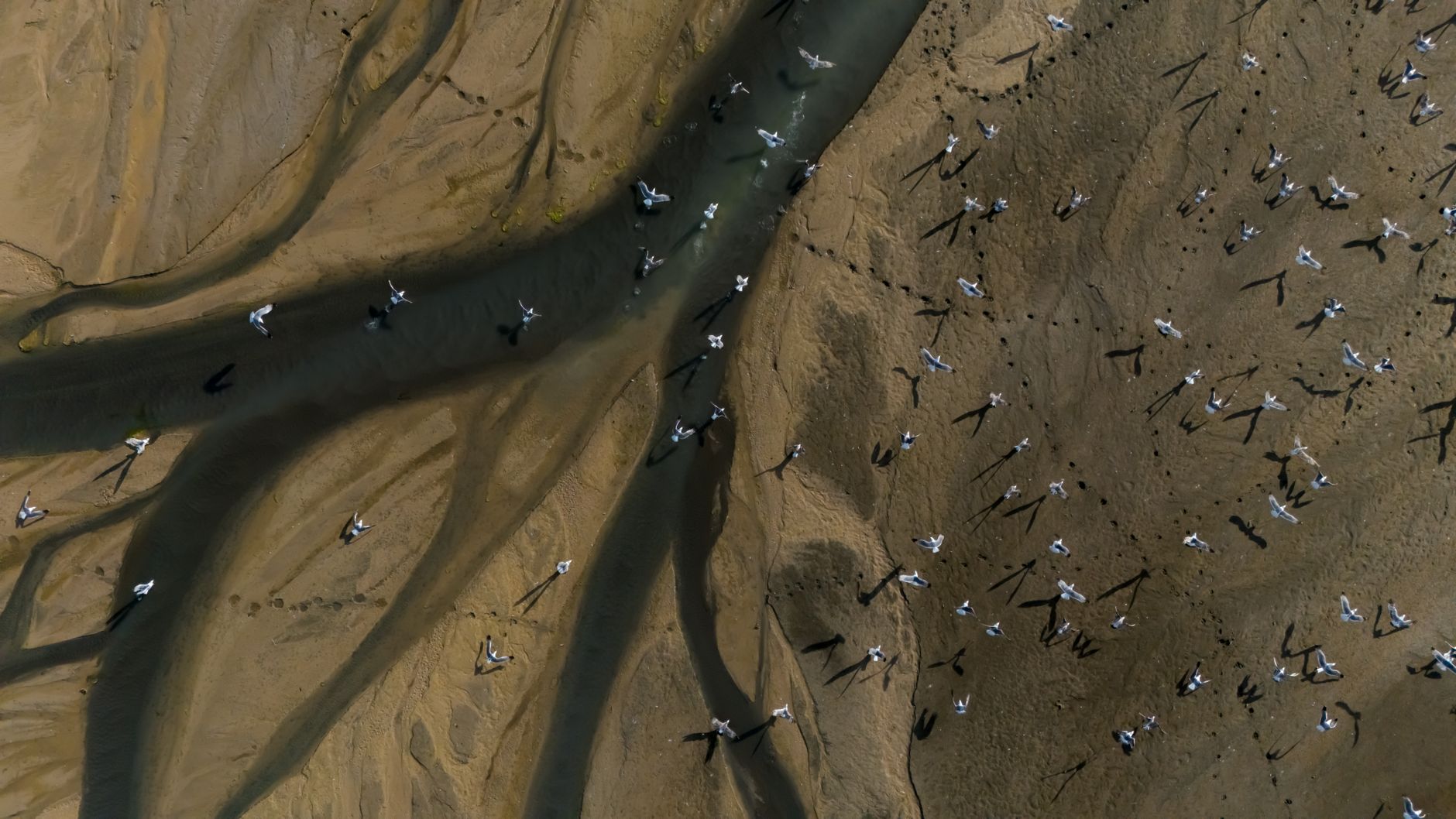
The autumn migration is in full swing across the Northern Hemisphere right now, and with it comes the annual scramble among nature photographers to capture those fleeting moments without becoming part of the landscape. If you’ve been watching the industry this September, you’ve noticed something different: the conversation has shifted from pure image quality to acoustic signature and ethical distance. Finding the best drones for wildlife photography 2026 isn’t just about megapixels anymore—it’s about machines that can hover at 30 meters without triggering a deer’s flight response or disrupting a nesting raptor.
With new FAA Remote ID regulations fully enforced this year and several national parks updating their UAV policies for the 2026 season, the barrier to entry has changed. You need a drone that respects the environment as much as it captures it. Whether you’re tracking elk in the Rockies or filming migratory birds along the coast, the right tool makes the difference between a portfolio shot and a hefty fine.
Why 2026 Is the Year of the “Stealth” Drone
Wildlife photography has always been a game of patience, but drone technology has finally caught up to the ethics of the craft. The big shift this year? Sub-250g drones with professional-grade sensors and low-noise propeller designs that operate under 45 decibels—quieter than a refrigerator hum.
Manufacturers have responded to pressure from conservation groups by developing “eco-modes” that limit speed and reduce motor whine. The DJI Mavic 4 Pro, released earlier this year, features a specialized Wildlife Mode that caps ascent speed and uses sinusoidal motor drivers to eliminate the high-pitched whine that typically sends animals running. Meanwhile, Autel’s EVO Lite Enterprise series has introduced carbon-fiber props specifically tuned to break up sound frequencies that disturb avian species.
This isn’t just marketing fluff. A 2025 study from the University of Exeter found that drones operating above 50 decibels increased cortisol levels in large mammals by 34%. The 2026 generation of camera drones finally addresses this biological reality.
Key Features That Actually Matter in the Field
Before you drop $2,000 on a flying camera, understand what separates a wildlife-specific drone from a general photography quadcopter.
Optical zoom is non-negotiable. You need to maintain at least 50 meters from most wildlife—100 meters for marine mammals under NOAA guidelines. A 1-inch sensor with 6x optical zoom (like the Mavic 4 Pro’s 70mm equivalent) lets you frame tightly without encroaching on personal space.
Battery life beats top speed. Look for 40+ minutes of real-world flight time. Wildlife doesn’t perform on cue; you’ll spend 15 minutes just positioning for the light. The Autel EVO Max 4T’s 42-minute endurance means you’re not landing to swap batteries just as the golden hour hits.
Obstacle avoidance saves shots. Dense forests and rocky terrain require omnidirectional sensing. The Skydio 2+ (still relevant in 2026 for its autonomous tracking) uses six 4K navigation cameras to thread through canopy gaps that would ground a DJI.
Thermal isn’t just for search and rescue. For crepuscular species—those active at dawn and dusk—a thermal sensor like the one on the Parrot Anafi USA helps you locate subjects without visible light, then switch to optical for the shot.
Top Picks for Every Budget
DJI Mavic 4 Pro — The Professional Standard
The Mavic 4 Pro remains the best drones for wildlife photography 2026 benchmark for serious shooters. Its 4/3 CMOS Hasselblad camera captures 5.1K video, but the real magic is the 70mm telephoto lens. You can hover at 80 meters and still fill the frame with a bald eagle’s eye. The new low-noise propellers reduce acoustic signature by 40% compared to the Mavic 3.
Best for: Professional photographers needing print-quality stills from ethical distances.
Autel EVO Lite+ — The Lightweight Contender
At 820 grams, this isn’t sub-250g, but it offers a 1-inch sensor with adjustable aperture (f/2.8-f/11)—crucial for controlling depth of field in bright alpine environments. The 40-minute battery life and lack of geofencing restrictions (a DJI pain point) make it ideal for remote wilderness areas where connectivity is spotty.
Best for: Backcountry hikers who need portability without sacrificing sensor size.
DJI Mini 5 Pro — The Ethical Entry Point
Don’t let the size fool you. The Mini 5 Pro packs a 1/1.3-inch sensor and 4K/60fps video into a 249g package that bypasses many regulatory hurdles. Its small physical profile presents less visual threat to wildlife, and the quietest motors in its class (under 40dB) mean you can launch closer to blinds or hides without detection.
Best for: Beginners and travelers who need to stay under weight restrictions while maintaining professional image quality.
Skydio 2+ — The Autonomous Specialist
While not a dedicated camera drone, the Skydio 2+ excels at tracking moving subjects through complex terrain. Its autonomy engine can follow a running fox through scrub oak without pilot input—something impossible with manual control. The 2026 firmware update improved subject recognition for non-human shapes, making it viable for behavioral studies.
Best for: Filmmakers capturing dynamic action sequences where manual piloting would disturb the subject.
Field Techniques for Ethical Wildlife Capture
Owning the best drones for wildlife photography 2026 offers means nothing if your technique spooks the animals. Here’s how the pros do it:
The 45-Degree Rule: Approach at a 45-degree angle from above, never directly overhead. Most predators attack from above, so a direct overhead hover triggers instinctive fear responses.
Golden Hour Positioning: Launch 20 minutes before sunrise to be in position as light hits. The low angle reduces your shadow profile on the ground—a dead giveaway that something unnatural is above.
Use Natural Sound Cover: Time your flights with wind gusts or river noise. Even quiet drones become obvious in dead calm. If you’re filming near water, wait for rapids or waves to mask your acoustic signature.
Thermal Scouting: Use thermal sensors to locate subjects from 200+ meters away, then plan your approach to minimize time spent in the animal’s immediate airspace.
Legal and Ethical Considerations for 2026
The regulatory landscape shifted significantly this year. The FAA’s new Wildlife Protection Zones restrict drone operations within 400 meters of known nesting sites for endangered species, with real-time updates pushed to your controller via Remote ID. Violations now carry fines up to $15,000—up from $5,000 in 2024.
Internationally, the rules vary wildly:
- Canada: Requires a Special Flight Operations Certificate (SFOC) for any drone use in national parks, with mandatory wildlife disturbance assessments.
- UK: The CAA’s new “Nature First” policy mandates 150-meter minimum distances from Schedule 1 protected birds during breeding season (March-August).
- Africa: Many safari lodges now require proof of drone insurance and adherence to the “silent safari” protocol—no flights during predator-prey interactions.
Always check local regulations. A drone that’s legal in Wyoming might be prohibited in Yellowstone’s backcountry.
Conclusion
Choosing the best drones for wildlife photography 2026 ultimately comes down to balancing technical capability with ecological responsibility. The Mavic 4 Pro sets the standard for image quality, but the Mini 5 Pro proves you don’t need a massive rig to capture compelling nature footage. Whatever you choose, remember that the best shot is the one that leaves no trace—physically or behaviorally.
As we head into the peak autumn photography season, prioritize machines that respect the wild spaces you’re documenting. Your portfolio—and the animals—will thank you. Now get out there, check your Remote ID, and capture something extraordinary.