
Best Drones for Wedding Photography 2026: Capture Love From Above
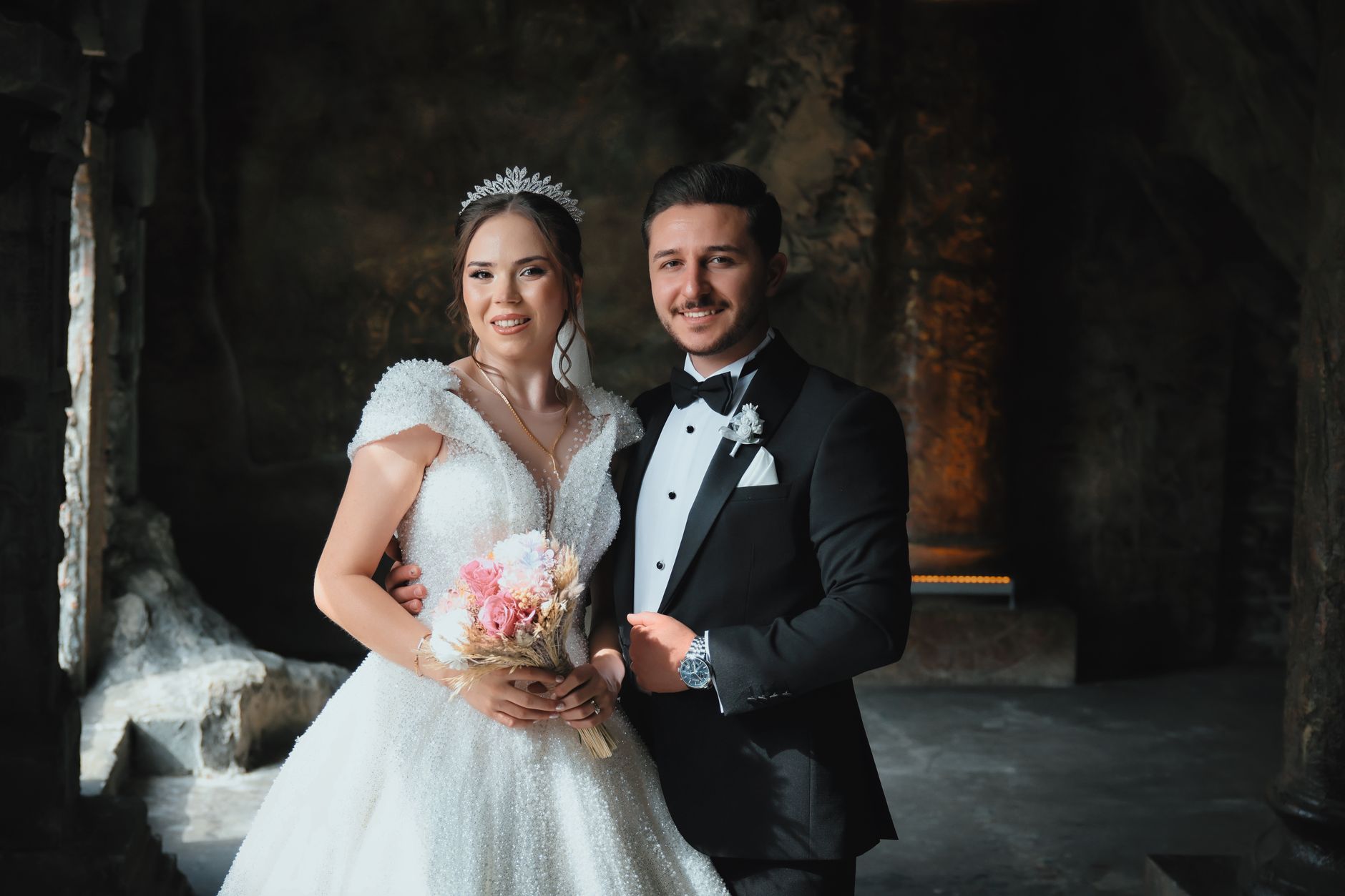
Wedding season 2026 is already shaping up to be one of the busiest on record — and couples aren’t just hiring photographers anymore. They’re hiring aerial storytellers. With drone wedding footage now appearing in roughly 7 out of 10 premium wedding films, the question isn’t whether you need a drone for weddings. It’s which one won’t ruin the vows with a high-pitched whine or die mid-ceremony.
Finding the best drones for wedding photography 2026 requires a different checklist than your typical landscape or real estate shoot. You need whisper-quiet motors, reliable obstacle avoidance in unpredictable environments, cinematic color science, and enough battery to cover a full ceremony without a battery-swap panic attack. Let’s break down exactly what matters — and which drones deliver.
What Makes a Wedding Drone Different From Every Other Drone
Most drone buying guides focus on range, speed, or raw camera specs. Weddings flip those priorities upside down.
Noise level is king. A drone that sounds like an angry hornet during an outdoor ceremony is a one-way ticket to getting banned by the venue — and the couple. You want something that stays under 65 dB at 10 meters. That rules out most FPV builds and larger cinema drones.
Flight time matters more than top speed. A typical outdoor ceremony runs 20–40 minutes. Add pre-ceremony establishing shots and post-ceremony couple portraits, and you’re looking at needing 35+ minutes of real-world flight time per battery. Always carry at least three batteries.
Obstacle avoidance is non-negotiable. Weddings are chaotic. Guests wander, floral arrangements hang from unexpected places, and you might be flying backward while tracking a couple walking down the aisle. Omnidirectional obstacle sensing isn’t a luxury — it’s insurance.
Camera color profile should match the ground team. If the primary photographer shoots Sony S-Log3 and your drone only outputs a baked-in DJI color profile, the colorist will hate you. Look for 10-bit D-Log M or equivalent flat profiles.
The 4 Best Drones for Wedding Photography in 2026
DJI Mavic 4 Pro — The Uncontested Workhorse
The Mavic 4 Pro remains the gold standard for wedding professionals in 2026, and it’s not close. Its 4/3 CMOS Hasselblad sensor captures 5.1K video at 50fps with genuinely beautiful color depth. The 10-bit D-Log M profile grades seamlessly alongside Sony and Canon ground footage.
What makes it the top wedding pick:
- 46-minute max flight time (roughly 38 real-world)
- Omnidirectional obstacle avoidance with front-facing LiDAR
- Relatively quiet at around 62 dB in normal flight mode
- Triple camera system — wide, medium tele, and telephoto — so you can reframe without repositioning
The medium tele camera (70mm equivalent) is a game-changer for weddings. You can capture tight, intimate aerial shots of the couple without hovering directly overhead. It keeps distance, reduces noise intrusion, and produces a compressed cinematic look that wide-angle lenses simply can’t replicate.
DJI Air 3S — The Sweet Spot for Solo Shooters
If you’re a one-person operation handling both ground and air coverage, the Air 3S is arguably the smarter buy. It’s lighter, faster to deploy, and significantly cheaper than the Mavic 4 Pro.
Key wedding-relevant specs:
- Dual camera system (24mm wide + 70mm tele)
- 45-minute flight time
- 1-inch CMOS sensor on the main camera — excellent in golden-hour light
- Quieter than the Mavic 4 Pro by roughly 2–3 dB in normal mode
The Air 3S hits the sweet spot between capability and portability. You can have it airborne in under 90 seconds from bag to hover. For cocktail hour coverage or quick venue establishing shots between ceremony and reception, that speed matters.
DJI Mini 4 Pro — The Discreet Option
Here’s a scenario every wedding drone pilot has faced: the venue coordinator says “absolutely no drones” — until they see the Mini 4 Pro and realize it’s smaller than most cameras. At under 249 grams, it sidesteps many venue restrictions and regulatory hurdles.
Don’t let the size fool you:
- 4K/60fps HDR video with 10-bit D-Log M
- Omnidirectional obstacle sensing (impressive at this size)
- 34-minute flight time (extendable with Plus battery)
- The quietest option on this list by a significant margin
The Mini 4 Pro won’t match the Mavic 4 Pro’s image quality in low light, but for daytime outdoor ceremonies — which represent the majority of drone wedding work — it’s remarkably capable. Pair it with a set of ND filters and you’ll produce footage that 95% of wedding clients can’t distinguish from a larger drone.
Autel EVO Lite+ — The Non-DJI Wildcard
Some venues and clients specifically request non-DJI equipment due to data privacy concerns or corporate policies. The Autel EVO Lite+ fills that gap with a 1-inch sensor, 6K video, and 40-minute flight time.
Its adjustable aperture (f/2.8–f/11) is genuinely useful for weddings — you can dial in exposure without swapping ND filters mid-flight. The trade-off? Autel’s obstacle avoidance isn’t as refined as DJI’s, and the app ecosystem feels less polished. But if you need a DJI alternative, it’s the strongest option available in 2026.
Wedding Drone Settings That Separate Pros From Amateurs
Owning the right drone is half the equation. These settings will save your footage:
- Shoot in 4K at 24fps for cinematic motion blur. Use 60fps only for slow-motion moments (the first kiss, the dip, confetti toss).
- Set shutter speed to double your frame rate — 1/50 for 24fps. Use ND filters to maintain this in bright conditions.
- Enable D-Log M or equivalent flat profile for maximum grading flexibility.
- Turn off all audible beeping. Every drone on this list allows you to mute or reduce alert volumes. Do it before the ceremony, not during.
- Set RTH altitude above the tallest obstacle — usually 50–80 meters at most venues. You don’t want an unexpected return-to-home flying through a marquee tent.
Legal and Venue Considerations You Can’t Ignore in 2026
This is where most wedding drone guides fall apart. Flying at a wedding isn’t the same as flying at an empty beach.
In the US, you need a Part 107 certificate if you’re being paid — and yes, shooting a wedding for a fee counts as commercial work. No exceptions.
In the UK, you need an A2 CofC or GVC depending on the drone weight and proximity to people. The CAA has tightened enforcement in 2026, and venues increasingly ask to see your certification before allowing flight.
Everywhere: Get liability insurance with a minimum of £1M/$1M coverage. Many premium venues now require proof of insurance before signing off on drone operations. Companies like SkyWatch and Coverdrone offer per-flight or annual policies specifically designed for event work.
Always do a site survey at least 48 hours before the wedding. Check for airspace restrictions using apps like Aloft (US) or Drone Assist (UK). Identify power lines, tree canopies, and guest congregation areas. Plan three to five specific shots — don’t improvise over a crowd.
The Bottom Line
The best drones for wedding photography 2026 share three traits: they’re quiet enough to not disrupt the ceremony, smart enough to avoid obstacles autonomously, and capable enough to deliver footage that matches a professional ground team. For most wedding shooters, the DJI Mavic 4 Pro is the top choice. If budget or portability is a priority, the Air 3S delivers 85% of the performance at 60% of the price. And when discretion is paramount, the Mini 4 Pro punches far above its weight.
Whichever drone you choose, remember: the couple hired you to enhance their day, not to be the loudest thing at it. Fly smart, fly quiet, and capture moments they’ll replay for decades.