
Best Drones for Surf Photography: 5 Waterproof Warriors That Actually Survive Salt Air
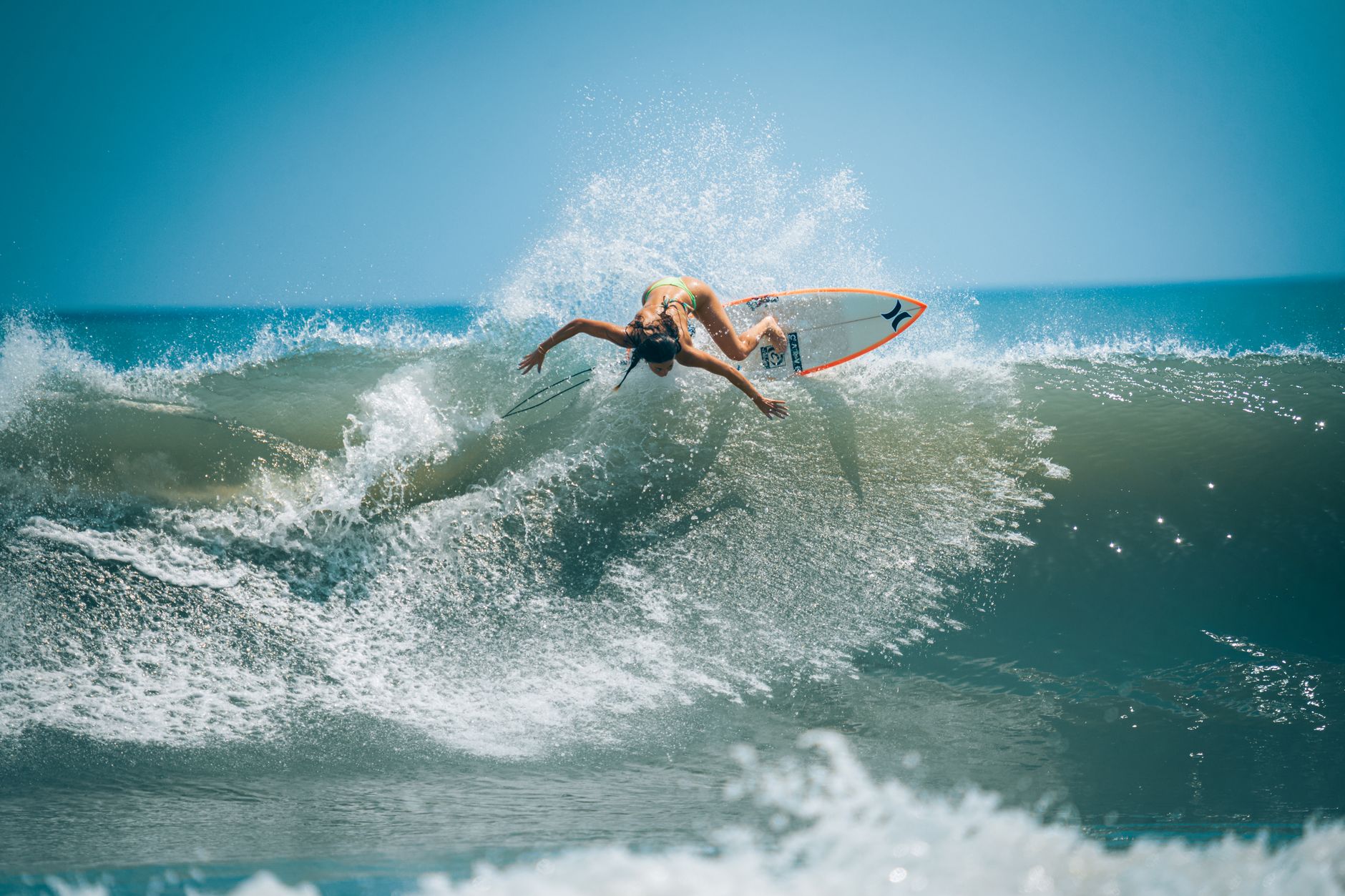
The 2026 big-wave season is already breaking records, and if you’ve scrolled through social media lately, you’ve seen the shift: surf cinematography has officially moved from helicopters to heavy-duty quadcopters. With the World Surf League’s new drone corridor regulations allowing closer aerial access than ever before, finding the best drones for surf photography has become the difference between landing the cover shot and watching your $2,000 investment sink into the Pacific.
Salt water is murder on electronics. It corrodes motors in hours, fogs lenses mid-flight, and kills GPS signals faster than you can say “rip current.” But when you nail that top-down shot of a surfer threading a turquoise barrel, the risk becomes worth it—provided you’re flying gear actually built for marine environments.
What Makes a Drone Surf-Ready?
Before we drop names, understand that “water-resistant” and “surf-ready” are different species. Standard camera drones handle light rain; surf drones handle ocean spray, 25-knot offshore winds, and the occasional wave splash during low-altitude passes.
You need three non-negotiables:
IP67 or higher waterproofing on the body and motors. Salt crystals penetrate standard housings within minutes, creating conductive bridges that short circuit boards. True surf drones seal their internals with conformal coating and corrosion-resistant alloys.
Wind resistance rated for 30+ mph. Coastal thermals create unpredictable gusts. If your drone drifts more than 3 feet in position hold during a 20-knot breeze, you’ll lose composition—or worse, lose the drone behind the wave.
4K at 120fps minimum. Surf action happens fast. You need slow-motion capability to capture the spray texture when a surfer carves off the lip. Bonus points for 10-bit color depth to handle the extreme dynamic range between white foam and deep blue water.
Best Drones for Surf Photography: Top 5 Picks
1. SwellPro SplashDrone 4
The only drone on this list you can intentionally land on water. With an IP67 rating and buoyant airframe, the SplashDrone 4 laughs at conditions that ground DJI products. The 4K camera shoots surprisingly decent 60fps footage, though the 1/2.3-inch sensor struggles in low light compared to larger competitors.
Best for: Beginners who plan to fly close to the water surface or launch from boats. The payload release system even lets you drop bait or rescue lines if your session goes sideways.
2. DJI Mavic 3 Pro (with aftermarket waterproofing)
Yes, it requires a third-party silicone skin and hydrophobic coating treatment, but the Hasselblad camera system is unbeatable for professional surf work. The 4/3 CMOS sensor captures 5.1K video with 12.8 stops of dynamic range—crucial when exposing for bright sky and dark reef shadows simultaneously.
Pro tip: Apply CorrosionX to the motor bearings weekly during heavy salt exposure, and never fly in rain without a wet suit cover.
3. Autel EVO Lite+ (Surf Bundle)
Autel’s 2026 marine package includes sealed motors and a nano-coated body that beads salt water off instantly. The 1-inch sensor shoots 6K/30fps with excellent color science straight out of camera—important when you don’t have time to grade footage between sets.
Standout feature: 40-minute flight time means you can wait for the perfect wave instead of burning battery hovering.
4. PowerVision PowerEgg X Wizard
This weird-looking egg transforms into a waterproof camcorder when you remove the prop arms. In drone mode, it handles light rain and spray with its water-landing floats. The AI tracking mode actually recognizes surfers versus jet skis, maintaining lock even when subjects disappear behind whitewater.
Limitation: The 60fps max frame rate at 4K feels dated for high-action sequences.
5. DJI Air 3 (Budget Pick)
Not waterproof, but with careful piloting and a $40 silicone skin, it survives light spray. The dual-camera system (wide and 3x telephoto) lets you shoot tight action from safe distances. At $1,099, it’s the entry point for surf photographers who aren’t ready to risk flagship money over breaking waves.
Essential Camera Settings for Ocean Conditions
Salt air creates a haze that flattens contrast. Combat this with these settings:
- Shutter speed: Double your frame rate (1/240s for 120fps) to freeze spray droplets
- ND filters: Use ND16 or ND32 to maintain motion blur in bright conditions while keeping shutter speeds optimal
- Color profile: Shoot D-Log or D-Cinelike, but expose to the right (ETTR) by +0.7 stops to protect shadow detail in the water
- White balance: Lock at 5600K; auto WB shifts blue when the drone tilts toward the horizon
Golden hour warning: The low sun angle creates glare off wet sand that confuses obstacle avoidance sensors. Disable them during sunset sessions and fly manually.
Flight Techniques for Wave Action
Position yourself upwind of the surfers. Offshore winds blow spray away from your lens, while onshore winds coat your front element within seconds. Launch from the beach, not the water—sand is abrasive, but salt water is conductive.
The “Barrel Chase” technique: Fly backward at 15-20 feet altitude, matching the surfer’s speed. Keep the horizon in the top third of the frame to show wave size. When the surfer kicks out, don’t just stop—tilt up to reveal the next set rolling in. This creates natural transitions for edit sequences.
Battery management: Salt air is denser than inland air, reducing flight times by roughly 15%. If your drone claims 40 minutes, plan for 32. Return to home at 30% battery minimum; fighting coastal headwinds on reserve power is how drones become artificial reefs.
Maintenance: Surviving the Salt
Even waterproof drones need post-surf rituals:
- Rinse with fresh water immediately—distilled if possible—focusing on motor shafts and gimbal joints
- Blow out moisture with compressed air (never use heat, which bakes salt into circuits)
- Apply dielectric grease to battery contacts weekly
- Store with silica gel packs in an airtight case; humidity corrodes even when the drone is off
Check propellers for micro-cracks after every session. Salt crystals create stress fractures that lead to mid-flight failures.
Conclusion
The best drones for surf photography in 2026 balance waterproof durability with cinematic image quality. Whether you choose the amphibious SwellPro for close-quarters action or the Mavic 3 Pro for editorial-grade imagery, remember that the ocean always wins eventually. Buy insurance, rinse religiously, and never fly further than you’re willing to swim.
Start with a waterproof model if you’re shooting daily; upgrade to a larger sensor once you’ve mastered the wind patterns. The waves are pumping—get out there before the winter swells turn to mush.