
Best Drones for Storm Chasing Footage: 5 Wind-Tested Picks for 2026
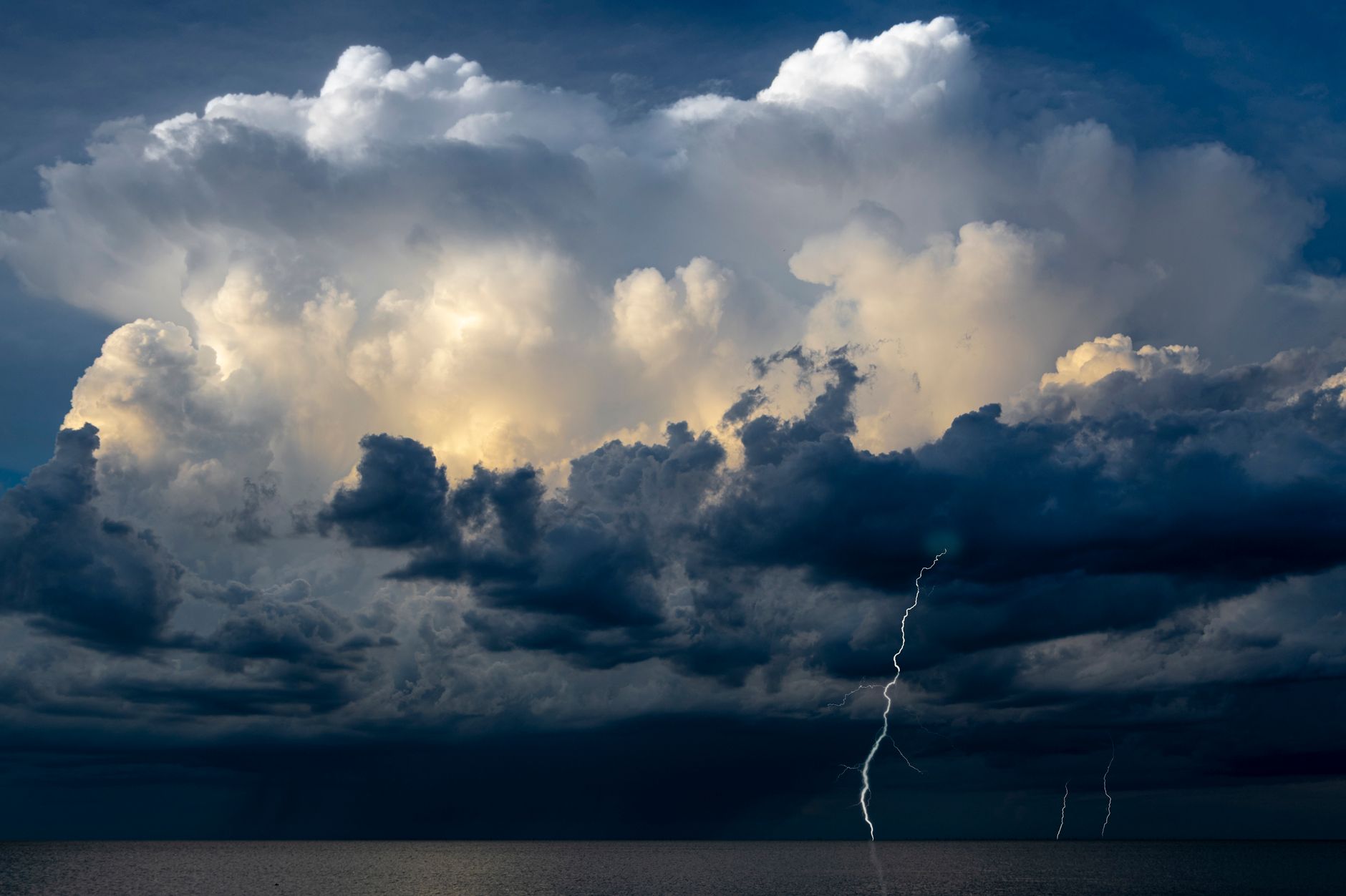
The 2026 Atlantic hurricane season has already produced four named storms by early November, and social media feeds are flooded with shaky, dangerous ground-level tornado footage. Meanwhile, a new generation of storm chasers is capturing buttery-smooth 4K aerials from 200 feet above the mesocyclone—without risking life and limb. If you’re ready to elevate your severe weather documentation beyond dashboard cams and phone videos, you need the best drones for storm chasing footage: machines engineered to survive 40+ knot gusts, reject electromagnetic interference from lightning, and transmit clean video through torrential rain.
Standard camera drones fold like paper in supercell environments. Storm chasing demands specialized UAVs with military-grade wind resistance, IP55 weather sealing, and transmission systems that punch through atmospheric interference. Whether you’re documenting tornado genesis for research or capturing hurricane landfall for broadcast news, these five platforms deliver the stability and durability that separate professional meteorological footage from crashed drone debris.
Why Storm Chasing Demands Specialized Drone Hardware
Storm chasing isn’t aerial photography—it’s aerial combat. When you’re positioning a UAV near a developing wall cloud or penetrating a hurricane’s outer bands, environmental conditions exceed 90% of consumer drone specifications.
Wind shear is the primary killer. While DJI advertises “Level 5 wind resistance” (up to 24 mph) for the Mavic series, tornadic inflow jets regularly exceed 60 mph at 400 feet AGL. You need drones with high-thrust motors, rigid carbon fiber frames, and flight controllers tuned for aggressive attitude corrections. Look for platforms that maintain position hold in sustained 35 mph winds with gusts to 50 mph—anything less becomes unrecoverable when you need it most.
Precipitation and particulate matter destroy standard gimbals and motors. Rain ingestion causes immediate motor failure in non-sealed brushless systems, while dust and hail create lens abrasion that ruins footage. IP43 ratings suffice for light rain, but serious storm work requires IP55 protection against driving precipitation and debris.
Electromagnetic interference (EMI) from lightning strikes within 10 miles can disrupt GPS signals and compass calibration. The best storm chasing drones incorporate dual-frequency GNSS with inertial navigation backup, ensuring position hold even when GPS dropout occurs near electrical activity.
Top 5 Best Drones for Storm Chasing Footage
1. DJI Matrice 350 RTK: The Research-Grade Workhorse
The Matrice 350 RTK remains the gold standard for meteorological research and professional storm documentation in 2026. With an IP55 rating and 15 m/s (34 mph) wind resistance, this platform shrugs off conditions that ground lesser aircraft.
Key storm specs:
- Wind tolerance: Sustained 34 mph, gusts to 45 mph
- Transmission: O3 Enterprise with 4G backup—critical when cellular infrastructure fails
- Payload flexibility: Zenmuse H30T thermal camera detects temperature differentials in wall clouds; H20N night vision captures nocturnal tornadoes
- Flight time: 43 minutes with TB65 batteries (hot-swappable for extended operations)
The 350 RTK’s six-directional obstacle sensing uses binocular vision plus millimeter-wave radar, maintaining awareness even in heavy rain that blinds optical sensors. For broadcast meteorologists, the built-in RTK provides centimeter-level positioning for precise damage path documentation.
2. Autel EVO Max 4T: The Lightning-Resistant Alternative
Autel’s EVO Max 4T has gained traction among storm chasers wary of DJI’s geofencing restrictions near temporary flight restrictions (TFRs) common during severe weather events. Its 12.4-mile transmission range and IP43 rating handle moderate precipitation, while the 50MP wide camera captures incredible detail in low-light supercell structures.
Storm-specific advantages:
- Anti-jamming: A-Mesh networking allows multiple drones to relay video when direct transmission fails
- Thermal integration: 640x512 radiometric thermal identifies warm inflow vs. cold outflow boundaries
- Wind resistance: 27 mph sustained—suitable for marginal severe days and hurricane outer bands
- No geofencing: Critical when chasing in rapidly evolving situations where DJI’s FlySafe database lags behind NWS warnings
The Max 4T’s autonomous “Track” mode follows storm cells while maintaining safe standoff distances, letting you focus on meteorological analysis rather than stick inputs.
3. DJI Mavic 3 Pro: The Portable Storm Scout
When you need to launch quickly from a vehicle window or roadside pullout, the Mavic 3 Pro offers the best portability-to-performance ratio. While its 12 m/s (27 mph) wind resistance limits operations to severe-warned storms rather than tornadic conditions, the Hasselblad 4/3 CMOS sensor captures unmatched dynamic range for dramatic shelf cloud photography.
Field advantages:
- Weight: 958g—below the 55-pound threshold requiring special waivers
- Wind handling: Sport mode increases resistance to 34 mph for emergency returns
- Zoom capability: 7x optical zoom on the 70mm lens maintains safe distance from rotating updrafts
- Price: $2,199—replaceable if lost to a hail core (unlike the $12,000 Matrice)
Pair it with a DJI RC Pro for enhanced transmission stability in high-interference environments.
4. Freefly Astro: The Heavy-Lift Cinema Platform
For production companies shooting IMAX-quality storm documentaries, the Freefly Astro carries the Sony A7S III or RED Komodo with gimbal stabilization that laughs at 40 mph gusts. This American-made platform offers 15 kg (33 lbs) of thrust reserve—essential when penetrating hurricane eyewalls where pressure gradients create violent updrafts.
Professional features:
- Weather sealing: Conformal-coated electronics survive horizontal rain
- Redundancy: 8-motor coaxial design maintains flight with motor failure
- Endurance: 25 minutes with full cinema payload, 45 minutes with lightweight cameras
- Transmission: Bolt 4K LT HDMI feeds live video to broadcast trucks 3 miles away
The Astro’s open-source autopilot accepts custom wind-compensation algorithms, allowing programmers to tune response curves for specific storm types.
5. DJI Avata 2 (Modified): The FPV Intercept Specialist
While stock Avata 2 units lack weather sealing, 2026 has seen an explosion of aftermarket “storm mods”—conformal coating services and reinforced frames that transform this cinewhoop into a tornado-intercept tool. FPV goggles provide the low-latency response needed when flying visually into rotating mesocyclones.
FPV advantages:
- Agility: Manual acro mode allows split-second corrections in turbulent inflow
- Immersion: Head-tracking lets you “look” into storm structure while maintaining aircraft orientation
- Speed: 60 mph dive capability outruns precipitation curtains
- Safety: Propeller guards protect against hail impacts (up to golf ball size)
Critical modification: Install a GPS rescue module and 4G LTE backup—stock Avata 2 lacks the positioning reliability needed when visual references disappear in rain-wrapped tornadoes.
Essential Flight Techniques for Severe Weather Operations
Owning the best drones for storm chasing footage means nothing without proper deployment strategies. These field-tested techniques maximize both footage quality and aircraft recovery rates.
Launch from the inflow notch. Position yourself southeast of the storm (in the Northern Hemisphere) where warm, moist inflow provides the best visual contrast for supercell structure. This sector typically offers the strongest but most consistent winds—launch into the wind for immediate altitude, then transition to downwind observation.
Maintain 1,000-foot vertical separation from cloud base. Lightning can strike aircraft 10 miles from the parent thunderstorm. Use the “30-30 rule”: if flash-to-bang time is under 30 seconds, you’re within strike range. Land immediately.
Use “porpoising” maneuvers in high wind. When fighting 40+ mph headwinds to return home, don’t maintain constant altitude. Dive to gain airspeed (converting altitude to kinetic energy), then climb in wind shadow behind terrain features. This technique extends range by 30% compared to level flight in extreme conditions.
Shoot in D-Log or 10-bit color. Storm lighting varies from blinding white anvils to pitch-black precipitation cores. Flat color profiles preserve highlight detail in overshooting tops while retaining shadow information in rain-free bases—essential for post-production HDR grading.
Critical Safety and Legal Protocols
Storm chasing drones operate in legally gray areas during emergencies. In 2026, the FAA has increased enforcement of 14 CFR Part 107.39—operations over people—following incidents where chasers flew over damage paths during search-and-rescue operations.
Never fly over damage paths immediately after impact. Emergency helicopters operate at 500 feet AGL without transponders. Your drone at 400 feet creates mid-air collision risks. Wait until NWS survey teams declare the area clear of aviation assets.
Carry Part 107 certification and insurance. Liability coverage must include “hazardous environment” riders—standard policies exclude “acts of God” like lightning strikes. Verifly and SkyWatch offer on-demand coverage activated via smartphone when you enter severe thunderstorm warnings.
Respect private property and local law enforcement. In 2026, Oklahoma and Texas have enacted specific anti-drone harassment statutes targeting storm chasers who block roads or trespass for launches. Use public rights-of-way and maintain 500-foot lateral separation from structures unless you have explicit permission.
File NOTAMs for organized chase operations. If coordinating with research institutions like the National Severe Storms Laboratory, file a Notice to Air Missions for your operating area. This alerts medevac and news helicopters to your presence, creating safer airspace for everyone.
Conclusion
Selecting the best drones for storm chasing footage requires balancing wind resistance, payload capacity, and legal compliance. For research-grade operations, the DJI Matrice 350 RTK offers unmatched reliability in tornadic environments. Independent chasers will find the Autel EVO Max 4T provides the best combination of portability and anti-jamming technology, while the DJI Mavic 3 Pro serves as an excellent entry point for photographers documenting severe weather from safer distances.
Remember that no drone footage justifies risking lives—yours or others. Maintain visual line of sight, respect emergency operations, and always have an abort criterion. The atmosphere produces infinite storms; your equipment and safety are finite resources. Launch smart, shoot safe, and capture the power of nature from a perspective that was impossible just five years ago.