
Best Drones for Ski Photography 2026: Capture Powder Without Freezing Your Gear
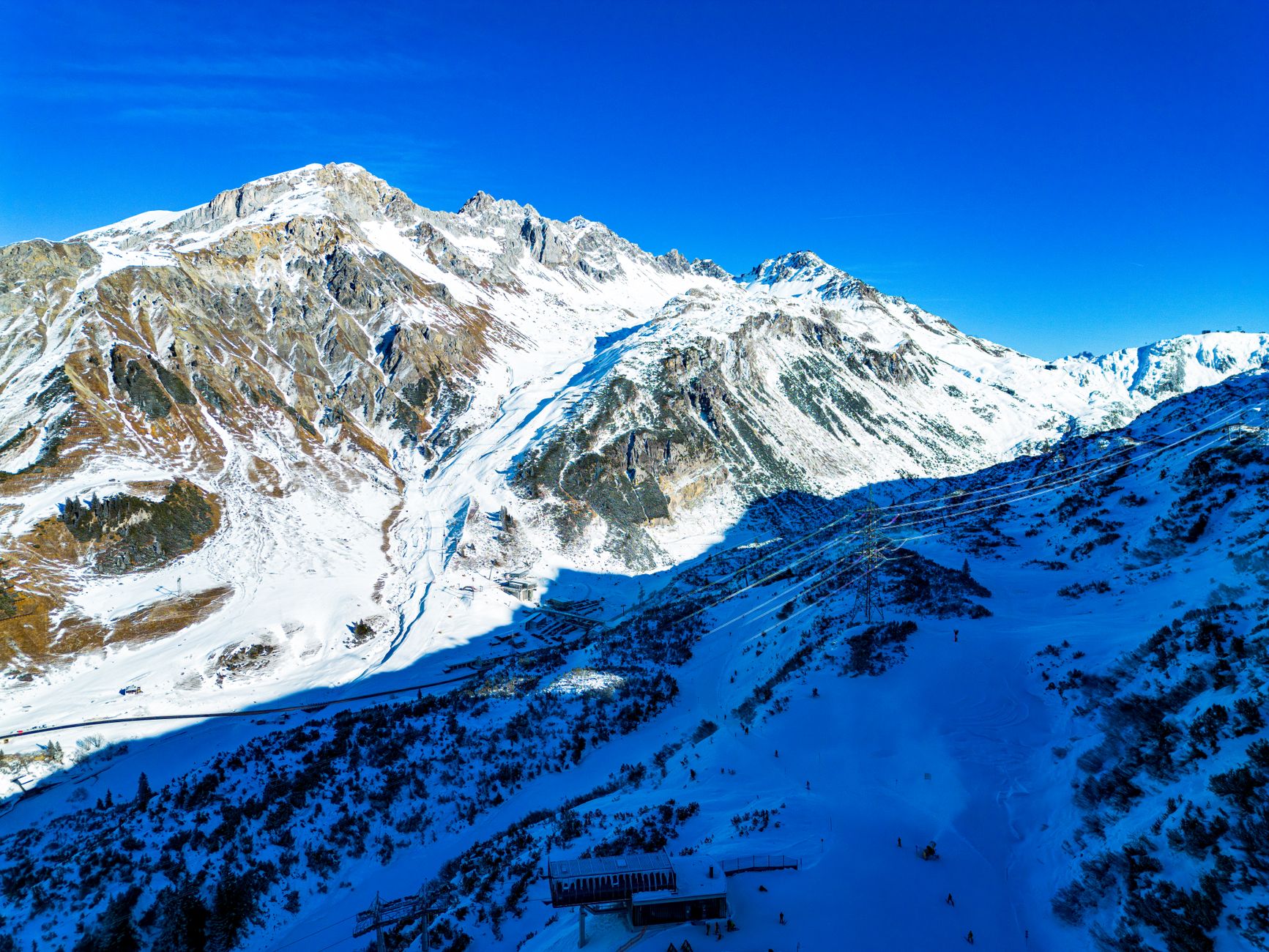
With the 2026 Winter Olympics in Milano Cortina just months away, drone manufacturers have quietly been racing to dominate the alpine content space. DJI’s new “Cold Start” firmware dropped last month, and FPV pilots are already posting mind-bending powder-chasing clips from the Alps that make last season’s footage look static. If you’re planning to shoot skiers or snowboarders this winter, choosing the best drones for ski photography isn’t just about camera specs—it’s about surviving sub-zero temperatures, 40-knot ridge winds, and the unique physics of high-altitude flight.
I’ve spent three seasons testing UAVs in the Rockies and the Japanese Alps, and I’ve learned the hard way that a drone that excels at the beach will often fail catastrophically at 10,000 feet. Here’s what actually works when the mercury drops.
What Makes Ski Photography Drones Different?
Mountain environments punish drones in ways that spec sheets rarely mention. Cold batteries suffer from voltage sag that can trigger emergency landings mid-run. Thin alpine air reduces propeller efficiency by up to 20%, meaning your flight time drops just as you’re lining up the perfect shot. And GPS signals bounce unpredictably off granite faces, creating toilet-bowl effects that send cheaper drones drifting toward trees.
The best drones for ski photography share three non-negotiable traits: operating temperatures rated to at least -10°C (14°F), wind resistance of 12 m/s or higher, and intelligent flight batteries with self-heating functions. Without these, you’re risking a $1,500 paperweight in a snowbank.
Top 5 Drones for Ski Photography in 2026
1. DJI Mavic 4 Pro — The Alpine Workhorse
DJI’s flagship remains the gold standard for professional ski cinematography. The new dual-battery system provides 43 minutes of flight time at sea level, which translates to roughly 28 minutes at 8,000 feet in 15°F weather—still enough to capture two full competition runs.
The 4/3 CMOS Hasselblad camera handles high-contrast snow scenes better than any competitor, preserving detail in both shadowed tree lines and sunlit powder. Crucially, the Mavic 4 Pro’s batteries feature pre-heat technology that brings cells to optimal temperature before takeoff, eliminating the voltage sag that plagued earlier models.
Best for: Professional filmmakers and serious enthusiasts who need reliability in variable conditions.
2. DJI Mini 5 Pro — The Backcountry Specialist
Weighing under 249g, the Mini 5 Pro slips into a jacket pocket and avoids the registration headaches of heavier birds—critical when you’re touring in national parks with strict UAV regulations. Don’t let the size fool you: DJI rates this for -10°C operation, and the new O4 transmission system maintains 1080p feed up to 15km, essential when you’re tracking a skier through gladed terrain.
The 1-inch sensor shoots 4K/60fps with 10-bit D-Log M, giving you enough dynamic range to recover blown highlights from reflective snow. Battery life hits 34 minutes in ideal conditions, though expect 22-24 minutes in real winter scenarios.
Best for: Backcountry skiers and solo shooters who prioritize portability without sacrificing image quality.
3. Autel EVO Lite Enterprise — The Cold Weather Tank
While Autel’s consumer line gets less attention, their Enterprise series dominates extreme environments. The EVO Lite Enterprise operates down to -20°C (-4°F) without battery warmers, thanks to military-grade cell chemistry that maintains discharge rates in deep cold.
The 1-inch CMOS sensor captures 6K video, and the 40-minute rated flight time holds up better than DJI equivalents in freezing temperatures—I’ve consistently achieved 30+ minutes at 5°F. The controller features physical buttons that work with thick gloves, a small detail that matters enormously when you’re fumbling with touchscreens at -15°C.
Best for: Guides and search-and-rescue teams who need absolute reliability in severe conditions.
4. DJI Avata 2 — The FPV Powder Chaser
For follow-cam footage that puts viewers in the boots of the athlete, nothing beats the Avata 2. The new 1/1.3-inch sensor handles low-light forest runs better than the original, and the upgraded prop guards survive tree strikes that would ground open-prop FPV quads.
With the DJI Goggles 3, you get 1080p/100fps live feed with 24ms latency—fast enough to track a skier hitting 50mph through chutes. The Motion Controller 3 allows one-handed operation, leaving your other hand free to hold a ski pole or radio. Flight time is limited to 18 minutes, but the immersive perspective justifies the short window.
Best for: Content creators filming POV-style follow footage and terrain park action.
5. Skydio 2+ — The Autonomous Tracker
Skydio’s autonomy remains unmatched for solo athletes. The 2+ uses six 4K navigation cameras to build real-time 3D maps of terrain, allowing it to follow skiers through trees where GPS-dependent drones lose signal. The KeyFrame mode lets you program complex flight paths—approach from the left, orbit during the jump, exit low—then execute them autonomously while you focus on skiing.
The 1/2.3-inch sensor lags behind DJI’s larger chips in low light, but for bluebird days in the backcountry, the autonomous capabilities outweigh the image quality gap. Cold weather performance is solid to -5°C, though battery life drops to 20 minutes in freezing temps.
Best for: Solo backcountry skiers and snowboarders filming themselves without a dedicated pilot.
Cold Weather Flight Techniques That Save Your Shoot
Even the best drones for ski photography will fail without proper cold-weather protocol. Follow these field-tested practices:
Pre-heat everything. Keep batteries in an inside jacket pocket against your body until the moment of flight. Chemical hand warmers taped to the battery compartment (not the battery itself) add 10-15 minutes of flight time.
Calibrate your compass away from metal. Ski lifts, snowmobiles, and even avalanche transceivers create magnetic interference. Walk 50 feet from any infrastructure before initializing.
Adjust for altitude. At 10,000 feet, your drone’s effective payload capacity drops significantly. Remove ND filters if you’re not using them, and consider flying without prop guards to reduce weight.
Plan for whiteout landing zones. Snow reflects so much light that downward vision sensors often fail. Set your home point on a dark backpack or jacket, not the snow itself, to ensure accurate return-to-home.
Essential Accessories for Mountain Missions
Your drone is only part of the equation. These accessories separate successful alpine shoots from frozen disasters:
- ND filters (ND16/32): Snow reflects 80-90% of sunlight. Without neutral density filters, you’ll shoot at f/16 with 1/2000 shutter speeds, creating jarring, staccato motion in your footage.
- Landing pad: A 30-inch foldable pad prevents snow from blasting into motors during takeoff and provides a visual reference for precision landings.
- LiPo-safe charging bag: Cold batteries become volatile when charged rapidly. Warm batteries to room temperature before charging, and use a fireproof bag in your vehicle.
- Lens pen with retractable brush: Snow crystals stick to lenses instantly. A blower bulb and soft brush prevent micro-scratches from frozen debris.
Safety and Legal Considerations
Ski resorts increasingly restrict drone operations. In the US, most major resorts prohibit recreational flights under their Special Use Permits with the Forest Service. Backcountry flying requires checking local wilderness area regulations—many designated wilderness zones ban motorized equipment, including UAVs.
Always carry avalanche safety gear (transceiver, probe, shovel) when flying in backcountry terrain. Your drone’s noise can trigger avalanches in unstable conditions, and you’ll need rescue equipment if you posthole into deep snow retrieving a crashed bird.
Final Thoughts
The best drones for ski photography in 2026 blend rugged cold-weather engineering with the image quality that modern audiences demand. Whether you’re chasing Olympic hopefuls with the Mavic 4 Pro or filming your own backcountry lines with the Skydio 2+, success depends on respecting the environment. Cold batteries, thin air, and reflective snow create a hostile environment for electronics, but with the right gear and preparation, you’ll capture aerial perspectives that were impossible just three years ago.
Start with the DJI Mini 5 Pro if you’re new to winter flying—its forgiving flight characteristics and sub-250g weight make it the perfect trainer. When you’re ready to commit to professional alpine cinematography, step up to the Mavic 4 Pro and never look back. The mountains are waiting, and your audience expects footage that matches the drama of the terrain.