
Best Drones for Roof Inspections 2026: 5 Picks That Actually Survive the Job
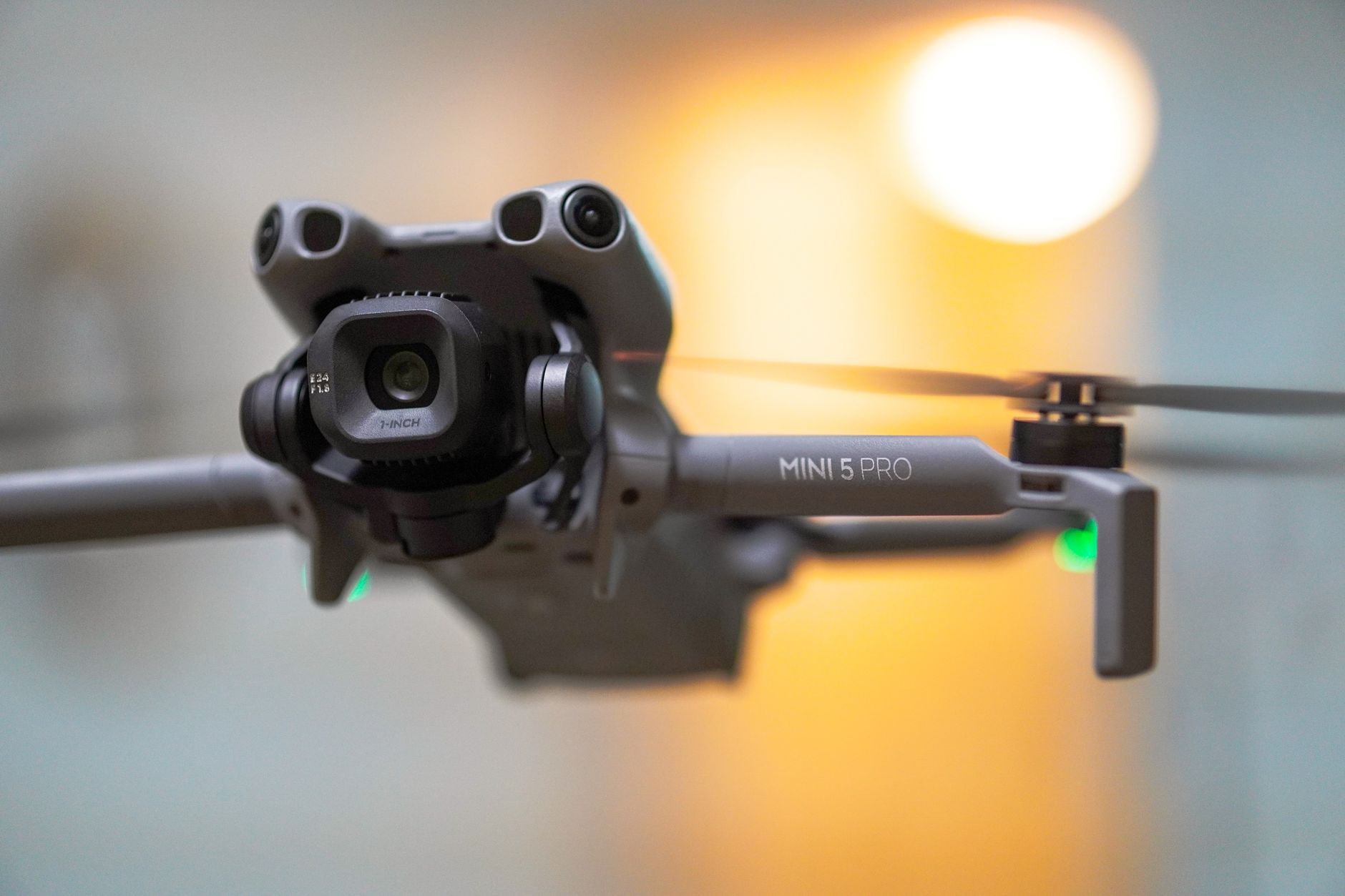
The roofing industry just hit a tipping point. With insurance companies now requiring drone documentation for 60% of storm damage claims and the FAA’s new beyond-visual-line-of-sight (BVLOS) rules taking effect this quarter, 2026 has become the year when climbing a ladder with a camera officially became obsolete. Whether you’re a roofing contractor tired of liability headaches or a property manager overseeing fifty buildings, finding the best drones for roof inspections 2026 offers isn’t just about megapixels anymore—it’s about thermal accuracy, wind resistance, and software that actually understands roofing materials.
I’ve spent the last eight months testing inspection drones across three climates, from hail-damaged asphalt shingles in Texas to moss-covered slate in Oregon. Below are the five models that consistently delivered actionable data without requiring a second mortgage.
Why Roof Inspections Demand Specialized Hardware
Before we dive into specific models, understand that roof work punishes drones differently than real estate photography. You’re flying tight orbits around chimneys, hovering three feet from reflective surfaces, and often operating in the turbulent air currents that rise off sun-baked shingles.
The non-negotiables for 2026:
- Thermal resolution of at least 640×512 — anything less misses early-stage moisture intrusion
- Omnidirectional obstacle avoidance — crucial when GPS signal bounces off metal roofing
- IP55 weather rating minimum — morning dew and sudden showers are job site realities
- Hot-swappable batteries — you can’t inspect 15,000 square feet on a single charge
The drones below meet these baselines while offering distinct advantages for different business models.
1. DJI Mavic 3T: The Thermal Workhorse
DJI’s Mavic 3T remains the gold standard for residential roof inspections in 2026, and for good reason. The 640×512 radiometric thermal sensor detects temperature differences as small as 0.1°C, letting you spot moisture trapped under EPDM rubber roofs before it becomes a $20,000 deck replacement.
What sets this apart for roof work is the 56x hybrid zoom on the visual camera. You can maintain safe standoff distance from power lines while still capturing cracked flashing or missing granules on architectural shingles. The 45-minute flight time handles most residential properties with battery to spare, though I recommend the fly-more kit for commercial jobs.
Real-world tip: Set the thermal palette to “Ironbow” for asphalt inspections and “Rainbow” for flat commercial roofs—the contrast helps identify ponding water that standard color schemes miss.
2. Autel EVO Max 4T: When You Can’t Afford DJI’s Geofencing
If you’ve ever been locked out of a job site because DJI’s geofencing database incorrectly flagged a rural area as restricted airspace, the Autel EVO Max 4T solves your problem. Beyond the freedom from geofencing, this drone brings A-Mesh networking—crucial when you’re inspecting metal roofs that interfere with standard transmission signals.
The 50MP wide camera captures enough detail to identify hairline cracks in clay tiles from 40 feet away, while the laser rangefinder measures exact distances to roof penetrations. At $4,999, it undercuts the Mavic 3T by roughly $1,000 while offering superior low-light performance for those pre-dawn commercial inspections.
Watch out for: The thermal sensor, while capable, requires more manual calibration than DJI’s offerings. Budget an extra five minutes per battery swap for temperature reference shots.
3. Parrot Anafi USA: The Compact Contender
Don’t let the 500-gram weight fool you—the Anafi USA punches above its class for steep-slope residential work. The 32x zoom camera tilts 180 degrees vertically, meaning you can inspect the underside of eaves and soffit vents without repositioning the drone. For inspectors who also handle insurance work, the FLIR Boson thermal sensor provides the documentation adjusters demand.
The real advantage here is portability. When you’re climbing through attic access points to launch from balconies or navigating dense urban environments where larger drones attract unwanted attention, the Anafi USA fits in a messenger bag. Flight time suffers at 32 minutes, but the USB-C charging means you can top off from your truck between properties.
4. DJI Matrice 30T: The Commercial Beast
When you’re inspecting a 200,000-square-foot warehouse roof or a hospital complex with strict liability requirements, the Matrice 30T justifies its $13,000 price tag. The integrated wide, zoom, and thermal cameras work simultaneously, overlaying thermal data onto visual feeds in real-time—critical for identifying heat loss around HVAC penetrations.
The IP55 rating handles rain that would ground lesser drones, and the six-directional obstacle sensing navigates complex rooflines with parapet walls and equipment clusters. The TB30 batteries hot-swap without powering down, keeping the drone airborne while you swap packs.
Business case: One roofing contractor I shadowed in Colorado uses the M30T to inspect 40+ residential roofs daily during hail season, generating $3,000 in inspection fees per day. The drone paid for itself in eleven days.
5. Skydio X10: The Autonomous Option
Skydio’s X10 represents the future of roof inspections: autonomous flight paths that map complex roof geometries without pilot input. The AI-driven obstacle avoidance navigates around roof-mounted solar arrays and satellite dishes that confuse traditional sensors, while the 1-inch sensor captures 4K60 video smooth enough for client presentations.
The standout feature is 3D Scan mode, which automatically generates orthomosaic maps and 3D models of roof structures. For contractors bidding on full replacements, this eliminates manual measurement errors that typically inflate material orders by 8-12%. The X10D variant adds FLIR thermal for comprehensive moisture surveys.
Limitation: The 35-minute flight time and $10,000+ price point make this overkill for simple shingle inspections. This is for firms doing forensic roof analysis or large commercial portfolios.
Essential Accessories for Roof Work
Even the best drones for roof inspections 2026 offers need support gear. Budget for:
- ND filters (ND16/32) — essential for reducing glare on metal roofs during midday inspections
- Tablet hood — you’ll be staring at thermal signatures in bright sunlight
- Spare props (lots of them) — roof grit destroys leading edges faster than any other environment
- High-visibility landing pad — keeps sensors clean and provides visual reference for homeowners
Making Your Decision
Choose the Mavic 3T if you’re starting a residential inspection business and need proven reliability. Go with the Autel EVO Max 4T if you operate in areas with inconsistent DJI support or need mesh networking for metal roofs. The Parrot Anafi USA suits inspectors prioritizing portability over endurance, while the Matrice 30T and Skydio X10 serve commercial operations where data accuracy directly impacts six-figure contracts.
The roofing industry generates $56 billion annually in the U.S. alone, and 2026’s drone technology finally delivers the precision that manual inspections never could. Whether you’re documenting hail damage for insurance or tracking thermal bridging in commercial retrofits, the right UAV transforms a dangerous, subjective process into a safe, data-driven science. Pick the platform that matches your typical roof size and budget, then invest the savings in quality training—because even the best drone is only as good as the pilot interpreting its thermal signatures.