
Best Drones for Real Estate Videography 2026: The Cinematic FPV Revolution
The real estate video game changed overnight. In early 2026, Zillow and Redfin rolled out native 4K HDR video players across all listing tiers, and suddenly that shaky 1080p pan from 2023 looks like a VHS tape at an IMAX screening. Buyers now expect cinematic fly-throughs that transition from the street to the kitchen in one breathless take, and agents who can’t deliver are watching listings stagnate.
If you’re searching for the best drones for real estate videography 2026, you’re not just looking for a camera that flies—you need a tool that captures spatial flow, handles mixed lighting without flickering, and survives the chaos of a Tuesday afternoon shoot with three properties to hit before sunset. This guide focuses specifically on videography—the moving image, the one-take wonder, the FPV magic that makes a 2,000-square-foot ranch feel like a architectural digest spread.
The Cinematic FPV Revolution: Why Traditional Drones Are Losing Listings
Static aerial shots are dead. The 2026 market demands “walk-throughs with wings”—single-take videos that start in the driveway, thread through the front door, glide down hallways, and punch out through the back patio without a cut. This requires a different breed of aircraft than the photography-focused drones dominating previous years.
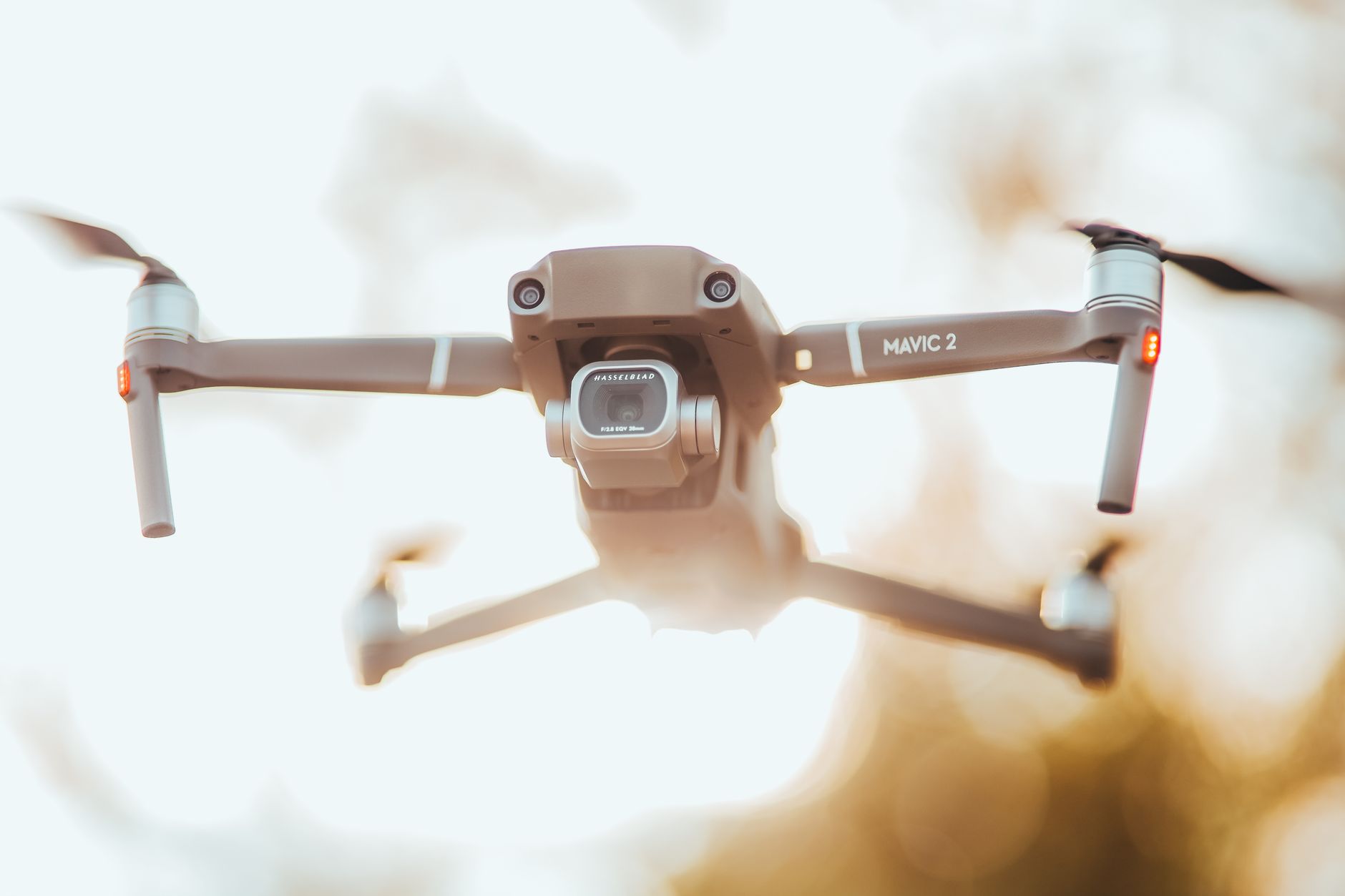
Traditional camera drones like the DJI Mavic series excel at stable, high-resolution stills and slow, majestic reveals. But they can’t corner. They can’t slip through a 36-inch doorway or orbit a kitchen island at three feet off the ground. For that, you need a cinewhoop—a small, ducted FPV (First Person View) drone with propeller guards that can bounce off a wall without ending the shoot.
The data backs this up. According to MLS trend reports from Q2 2026, listings featuring FPV fly-through videos receive 68% more saves and 40% more showing requests than those with standard exterior drone footage. The barrier to entry has also collapsed; what required a $3,000 custom build in 2024 now comes pre-packaged with sub-250g legality and 4K/120fps capabilities.
Top Picks: The 2026 Real Estate Videography Fleet
DJI Avata 3 — The Mainstream Monster
DJI’s September 2025 release of the Avata 3 cemented FPV videography as the industry standard. Weighing just 245 grams with the new “Turtle” prop guards, it slips under FAA registration requirements while shooting 4K/60fps with a 1/1.3-inch sensor—large enough to handle the brutal contrast between a dark hallway and a sun-drenched living room.
Why it wins for real estate:
- Turtle Mode 2.0: New for 2026, this allows the drone to flip itself upright if you clip a ceiling fan, saving the shot (and the drywall).
- RockSteady 4.0: Electronic image stabilization that actually works at the low speeds (2-4 mph) required for interior reveals.
- O4 Video Transmission: You can fly three houses away from the agent while monitoring on the DJI Goggles 4, crucial for suburban shoots with strict HOA sightline rules.
Pro tip: Pair it with the new DJI RC Motion 3 controller. The wrist-based steering lets you bank around staircases with the precision of a video game, reducing the learning curve from months to days.
BetaFPV Pavo35 Pro — The Interior Specialist
For high-end listings where the Avata’s wide-angle distortion is too aggressive, the Pavo35 Pro offers a “naked” GoPro Hero 13 Black mount in a 3.5-inch ducted frame. It’s louder than the DJI, but the image quality from the GoPro’s GP3 processor—specifically the new Log encoding for real estate color grading—is unmatched.
Key specs:
- 6K/30fps or 4K/120fps (slow-motion for that dramatic curtain blow)
- 12-minute flight time with the 2026-spec LiHV batteries
- Ducted design safe for flying near occupants (crucial for occupied homes)
Sony Airpeak S2 — The Luxury Listing Weapon
When you’re shooting a $5M+ property with architectural lighting that demands perfect color rendition, the Airpeak S2 with the new A7C R payload is the 2026 flex. It’s overkill for a standard suburban listing, but for penthouses and estates, the full-frame sensor captures window views without blowing out the skyline—a common failure point in smaller sensors.
Essential Techniques for One-Take Property Tours
Owning the best drones for real estate videography 2026 means nothing without the flight skills. Here’s the workflow top agents are using this year:
The “Breadcrumb” Path: Before takeoff, walk the route with the agent. Open every door, turn on every light (including under-cabinet LEDs), and mark your turning points with painter’s tape on the floor. In 2026, the trend is “speed ramping”—flying slowly through tight spaces (bathrooms, closets) and accelerating through open areas (great rooms, hallways).
Lighting Discipline: Shoot during the “golden hour” for exteriors, but interiors require flat, consistent light. Overcast days are your friend; direct sun creates moving shadows that distract from the spatial flow. If you must shoot sunny interiors, use the drone’s ND filters (the Avata 3 has a built-in 1/4 ND now) and lock exposure manually—auto exposure will “breathe” as you move from room to room, ruining the immersion.
The Reveal Shot: Start outside. Fly backward from the front door to the street, revealing the facade. Then, in post, reverse the clip. This creates the “entering” shot without risking a crash on the doorframe—a trick that saves thousands in repair bills annually.
Legal and Practical Considerations for 2026
The regulatory landscape shifted in January 2026 with the FAA’s new “Micro-Commercial” classification. Drones under 250g (like the Avata 3) no longer require a Part 107 license for interior flights, though exterior commercial work still demands certification. However, the real hurdle is insurance.
Liability Reality Check: Standard drone insurance often excludes “indoor flight.” Ensure your policy specifically covers “interior structural damage”—one clipped chandelier in a smart home can trigger a $15,000 claim. Companies like SkyWatch and Thimble now offer “Real Estate Videography” riders for $45/month that cover both interior FPV and exterior aerials.
Privacy Protocol: 2026 buyers are paranoid about surveillance. Always disable the drone’s obstacle avoidance sensors when flying near neighbors’ windows (they can trigger false recordings), and carry a “Property Video in Progress” sign for the front lawn. It’s not legally required, but it prevents the neighborhood watch from calling the police mid-shoot.
Conclusion: Elevate Your Listings Before the Market Leaves You Behind
The best drones for real estate videography 2026 aren’t just cameras with propellers—they’re spatial storytelling devices. Whether you choose the accessible DJI Avata 3 for its idiot-proof safety features or invest in a custom cinewhoop for boutique listings, the goal remains the same: make the buyer feel like they’re already home.
Start by mastering the one-take interior fly-through. Practice in your own hallway until you can navigate doorframes without the prop guards touching the trim. Then, invest in the insurance and the ND filters. The agents dominating the 2026 market aren’t necessarily better photographers—they’re the ones who realized that in a scroll-happy world, motion sells emotion. Your next listing deserves more than a slideshow; it deserves a flight plan.