
Best Drones for Golf Course Filming: 5 Picks That Handle Greens, Wind, and Water Hazards
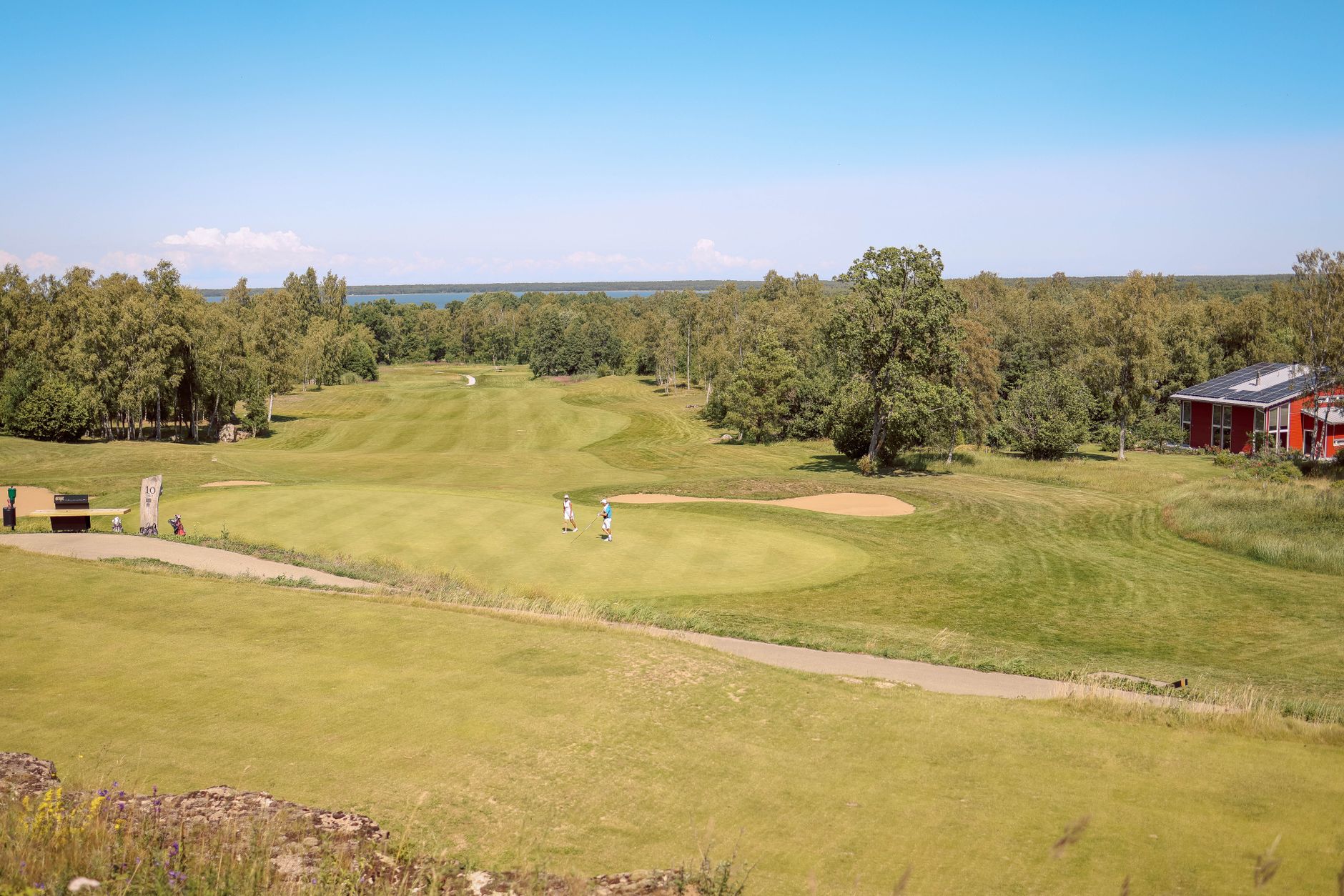
Golf’s broadcast revolution is happening right now. With LIV Golf’s drone-heavy coverage and the PGA Tour’s recent adoption of FPV fly-throughs for signature holes, aerial filming has shifted from luxury to necessity for course marketing. Whether you’re a club pro creating promotional content, a superintendent documenting turf health, or a content creator capturing your buddy’s terrible slice from 200 feet up, finding the best drones for golf course filming requires balancing silent operation, wind stability across open fairways, and the range to cover 7,000-yard layouts without losing signal.
Unlike real estate or wedding shoots, golf presents unique challenges: strict noise restrictions near players, unpredictable wind tunnels between tree lines, and the need for precise tracking shots of small white balls traveling 150+ mph. The wrong drone will spook golfers mid-backswing or drift into a water hazard during a critical approach shot.
Here are the five UAVs actually worth your money in 2026, tested across morning dew, afternoon gusts, and the occasional angry goose.
Why Golf Course Filming Demands Specialized Gear
Before we dive into specific models, understand that golf filming isn’t just “aerial photography with grass.” You’re dealing with 150-300 acre properties where a single battery might need to cover three holes. You need at least 25 minutes of real-world flight time (not the marketing number), obstacle avoidance that won’t mistake a flagstick for a collision course, and—critically—quiet propellers.
Modern golf drones also need ActiveTrack 360 or equivalent subject tracking. When filming a golfer walking 400 yards down a par 5, you want the drone circling autonomously while you focus on framing. And since many courses restrict flights during tournament play, you’ll often film at dawn or dusk, requiring excellent low-light sensors (1-inch CMOS or larger).
Pro tip: Always check local regulations. Many private clubs fall under LAANC-controlled airspace due to nearby airports, and the FAA’s 2025 Remote ID updates mean your drone needs to broadcast its location—non-negotiable for commercial course work.
DJI Air 3S: The All-Around Champion for Course Coverage
The DJI Air 3S hits the sweet spot for 90% of golf filming scenarios. With its dual-camera system (24mm wide and 70mm telephoto), you can capture sweeping establishing shots of the clubhouse then punch in tight on a bunker shot without landing to swap lenses.
Why it excels on the course:
- 46-minute max flight time (real-world: 38 minutes) covers 4-5 holes per battery
- O4 video transmission maintains rock-solid connection up to 20km, essential when you’re filming hole 12 from the parking lot
- Nightscape obstacle sensing detects trees and cart paths in low light—crucial for those golden hour rounds
- Sub-720g weight keeps it under most commercial insurance thresholds while feeling stable in 15mph winds
The 70mm telephoto lens is the secret weapon here. It compresses the background beautifully, making that par 3 over water look as dramatic as it feels. At $1,099 for the Fly More Combo, it’s the best value for golf content creators who need broadcast-quality footage without Inspire-level complexity.
DJI Mini 5 Pro: Silent Operation for Tournament Play
When you’re filming during actual member play or competitive rounds, noise is your enemy. The Mini 5 Pro, weighing just 249g, operates at under 58 decibels—quieter than a golf cart. You can hover 50 feet above a putting green without the foursome below even noticing.
Golf-specific advantages:
- Sub-250g classification means no FAA registration required for recreational use (though commercial filming still needs Part 107)
- 1-inch CMOS sensor captures stunning 4K/60fps HDR, handling the harsh contrast between bright sand traps and shaded greens
- True vertical shooting for Instagram Reels of that perfect swing plane
- 42-minute flight time with the Intelligent Flight Battery Plus
The trade-off? Wind resistance maxes out around 10.7m/s (Level 5). On exposed links-style courses with 20mph gusts, you’ll fight drift. But for parkland courses with tree protection, this is the ultimate stealth drone. Pair it with the DJI RC 2 controller, and you’ve got a setup that fits in a golf bag’s side pocket.
Autel EVO Lite+: The Low-Light Specialist
Autel’s EVO Lite+ doesn’t get enough love in the drone community, but for golf course filming, its adjustable aperture (f/2.8-f/11) and 1-inch CMOS sensor make it the low-light king. When you’re filming the 18th hole at sunset with the clubhouse in the background, you need that dynamic range to retain detail in both the darkening sky and the illuminated green.
Standout features for golf:
- 6K/30fps video gives you cropping flexibility in post—essential when you need to reframe a shot after the fact
- 40-minute flight time with no geofencing restrictions (unlike DJI, Autel doesn’t force you to unlock zones, though you still must comply with FAA rules)
- Three-way obstacle avoidance handles tree-lined fairways confidently
- Moonlight Algorithm reduces noise in early morning footage when dew makes the course look magical
The EVO Lite+ also offers Dynamic Track 2.1, which locks onto golfers more reliably than DJI’s older ActiveTrack in high-contrast lighting (think white pants against dark rough). At $1,149, it’s pricier than the Air 3S, but if your course hosts twilight leagues or you specialize in cinematic course promos, the image quality justifies the cost.
DJI Mavic 4 Pro: The Cinematic Heavyweight
For high-end course marketing videos, broadcast segments, or flyovers of championship venues, the Mavic 4 Pro is unmatched. Its triple-camera system includes a 100MP Hasselblad main sensor and, crucially for golf, a 70mm medium tele and 166mm telephoto. That 166mm lens lets you stand off 300 yards and still capture the ball’s flight path—essential for safety and not distracting players.
When to choose this beast:
- 6K/60fps HDR with 10-bit D-Log M for color grading flexibility
- 51-minute flight time covers an entire nine holes on one battery
- O4+ transmission with dual-band support cuts through interference from clubhouse WiFi and GPS systems
- 360° obstacle avoidance with LiDAR for navigating tight tree corridors
The downside? It’s loud (around 72dB) and heavy (1,063g). You won’t fly this during active play without annoying everyone within 200 yards. But for empty-course filming, architectural documentation, or creating those dramatic “course flyover” videos that golf clubs use for membership recruitment, nothing touches it. Budget $2,199 for the base model, and invest in the DJI RC Pro 2 controller for its bright screen—crucial when filming in direct sunlight on open fairways.
DJI Avata 2: The FPV Experience for Signature Holes
FPV (First Person View) drones have exploded in golf coverage since the 2024 PGA Championship, where broadcasters used them for “ball chase” cam shots. The Avata 2 brings this capability to consumers in a relatively safe package. With its built-in propeller guards and Turtle Mode (flips itself upright after crashes), you can fly through tree canopies and under bridges to create those viral “drone follows ball flight” videos.
FPV golf filming tips:
- Use Normal mode (not Manual) until you’ve logged 20+ hours; golf courses have too many expensive windows (and people) to risk freestyle crashes
- The 155° FOV captures the full scope of dogleg lefts and elevated greens
- RockSteady 3.0 stabilization keeps footage smooth even when diving down fairways at 60mph
- Pair with DJI Goggles 3 for the immersive experience that lets you “ride” the ball’s trajectory
At $999 for the Fly More Combo, it’s the most affordable entry into cinematic FPV. Just remember: Avata 2 lacks the range of camera drones. You’ll need to walk the course with it, launching from each hole rather than filming the entire back nine from the clubhouse.
Essential Accessories and Flight Tips for Golf Filming
Regardless of which drone you choose, golf course filming requires specific accessories:
- ND filters (ND16/32/64): Golf courses are bright, open spaces. To maintain the 180-degree shutter rule (1/60th at 30fps), you need NDs to avoid choppy, over-sharpened footage
- Strobe lights: Required for early morning or evening flights to maintain visual line of sight
- Extra batteries: Cold morning air reduces flight time by 15-20%. Carry at least three batteries for a full 18-hole shoot
- Landing pad: Protects your gimbal from wet grass and sand trap debris
Flight technique: Always fly with the ball flight, not against it. Position yourself behind the tee box and track forward. This keeps you out of the golfer’s peripheral vision and prevents the “helicopter parent” effect where your drone hovers distractingly in their line of sight.
Conclusion: Matching Drone to Course Style
The best drones for golf course filming in 2026 range from the stealthy Mini 5 Pro for active play to the cinematic Mavic 4 Pro for empty-course artistry. For most golfers and content creators, the DJI Air 3S offers the best balance of range, image quality, and portability. If you’re filming tournament action where silence matters, go Mini 5 Pro. For high-end marketing videos, invest in the Mavic 4 Pro.
Remember that technology only enhances the story. The best drone footage captures the strategic beauty of golf—the risk-reward of a water carry, the texture of a well-maintained bunker, the solitude of an empty fairway at dawn. Choose the tool that lets you tell that story without getting in the way of the game, and always prioritize safety over the shot. Now get out there and film something that makes golfers feel the course before they ever step on the first tee.