
Best Drone for Real Estate Photography 2026: Why Top Agents Are Ditching Their 2024 Models
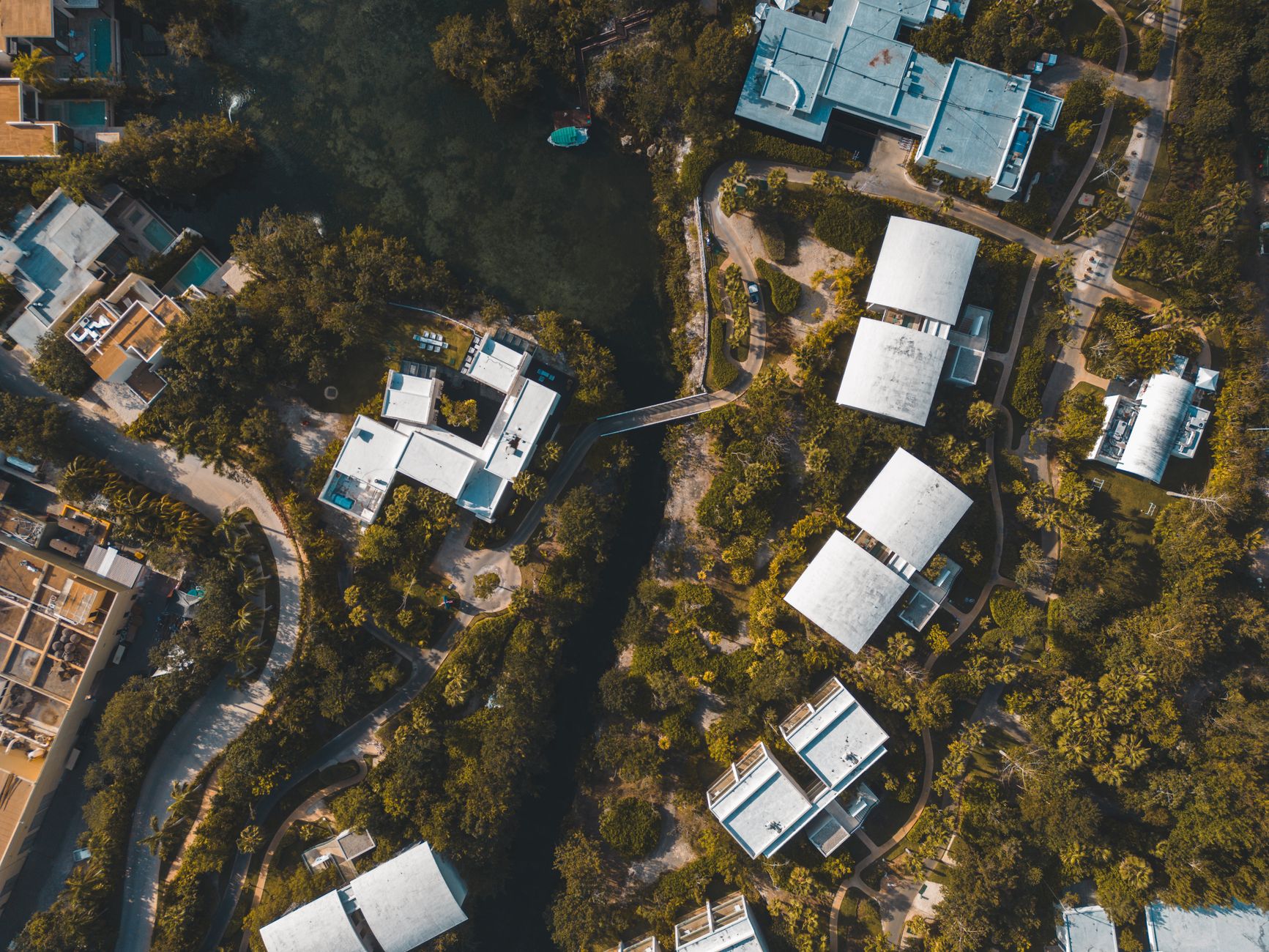
The summer 2026 housing market is moving faster than ever. With inventory tight and buyers scrolling Zillow at 11 PM, listing photos have about 2.3 seconds to hook a prospect before they swipe away. That’s why the best drone for real estate photography 2026 isn’t just about megapixels anymore—it’s about turnaround speed, vertical integration, and shooting conditions that ground-based photographers simply can’t match.
If you’re still flying a Mavic 3 Pro or an Air 2S from 2023, you’re leaving money on the table. New sensor technology, AI-powered editing pipelines, and FAA Remote ID compliance changes have reshaped what agents and drone service providers need to deliver. This guide cuts through the noise to show you exactly which UAVs earn their keep in real estate—and which “pro” features are just marketing fluff.
Why 2026 Is the Year Real Estate Drone Work Changed Forever
Three shifts hit simultaneously this year, and they caught a lot of part-time drone operators off guard.
First, the FAA’s expanded Remote ID enforcement went into full effect for commercial flights in controlled airspace near suburban developments. Older drones without built-in Remote ID modules now require bulky aftermarket add-ons—extra weight, extra battery drain, extra liability.
Second, MLS platforms integrated native 3D tour support. Listings with embedded drone-based dollhouse views see 47% more saves on Realtor.com, according to early 2026 data from Redfin. Static hero shots aren’t dead, but they’re no longer enough.
Third, client expectations shifted from “nice to have” to “where are my deliverables in 24 hours?” The agents winning listings in 2026 aren’t hiring photographers for Friday shoots with Tuesday delivery. They need same-day aerials, twilight transitions, and social-ready vertical clips.
The best drone for real estate photography 2026 must handle all three pressures without requiring a two-person crew or a $15,000 cinema rig.
Camera Specs That Actually Move Properties (Not Just Spec Sheets)
Every drone marketer loves throwing around “8K” and “1-inch sensor.” For real estate, here’s what actually matters:
- Dynamic range over resolution. A 20MP sensor with 14+ stops of dynamic range beats 48MP with crushed shadows every time. You’re shooting white siding against dark pine trees, then pivoting to a backlit pool deck. Recovery latitude saves shots.
- 24mm equivalent minimum. Wider than 20mm introduces distortion that makes rooms look like funhouse mirrors. Tighter than 28mm and you can’t fit the full property on small lots.
- Mechanical shutter or fast electronic readout. Propeller flicker on LED pool lights and solar panels will ruin twilight shoots. Look for 1/200s or faster electronic shutter speeds.
- 10-bit 4:2:2 internal recording. You don’t need raw for MLS, but you need enough grading headroom to match cloudy morning shots with sunny afternoon exteriors in the same listing package.
The DJI Mavic 4 Pro (released March 2026) hits this sweet spot with its triple-camera array: a 24mm 4/3rds main sensor, 70mm portrait lens for detail compression, and 166mm telephoto for neighborhood context shots. Real estate pilots report cutting location time by 35% because they’re not landing to swap lenses or flying multiple passes.
Autel’s Evo Max 2 remains the wildcard for agents working near airports or stadium TFRs. Its no-geofence approach (with proper LAANC authorization) means you don’t lose a listing because DJI’s firmware locked you out during a temporary restriction.
Workflow Speed: From Landing to Listing in Under 90 Minutes
Here’s where the best drone for real estate photography 2026 separates hobby-grade from income-grade equipment.
Internal storage and transfer speed matter more than most buyers expect. The Mavic 4 Pro’s 1TB internal SSD with USB-C 3.2 transfer dumps a 20-minute flight in under 4 minutes. Compare that to microSD card juggling, and you’re looking at 15-20 minutes saved per property—multiply by 4 shoots daily, that’s an hour of billable time recovered.
AI editing integration is the sleeper feature. DJI’s 2026 LightCut update auto-generates vertical 9:16 clips from horizontal footage, applies LUT-matched grading across mixed lighting, and can push directly to Dropbox or your Frame.io project. Autel’s partnership with Luminar Neo offers similar automation, though with less polished social templates.
Battery hot-swapping without power-down—available on the Mavic 4 and Skydio X10D—lets you maintain continuous 360° panos for Matterport-style captures. For agents selling 5-acre equestrian properties, this eliminates the stitching artifacts that break immersion.
The math is brutal: if your drone’s workflow adds 45 minutes of post-processing per listing, and you’re shooting 6 listings weekly, that’s 4.5 hours of unpaid labor. At $150/hour photography rates, a “cheaper” drone costs $675 weekly in lost capacity.
The Hidden Costs: Insurance, Licensing, and Liability in 2026
The best drone for real estate photography 2026 on paper becomes the worst choice if it exposes you to liability.
Part 107 currency now requires recurrent training every 18 months, with added emphasis on night operations and flying over people (Category 2-4). The Mavic 4 Pro and Evo Max 2 both carry Category 2 certifications out of the box, meaning you can legally fly over open-air assemblies during twilight open houses—something that required waivers in 2024.
Insurance minimums have climbed. Most brokerages now require $2 million aggregate coverage for drone vendors, up from $1 million in 2024. Some carriers offer premium discounts for drones with ADS-B In and parachute systems. The Mavic 4’s built-in ADS-B receiver qualifies; budget models without it can add $400-600 annually to your policy.
Data security became a selling point after the 2025 NAR settlement exposed how much client information flows through photography vendors. Autel’s no-cloud workflow (local storage, no mandatory account login) appeals to privacy-conscious luxury agents. DJI’s 2026 “Local Data Mode” offers similar isolation but requires manual activation.
Factor these costs into your total ownership math. A $2,200 drone with $800/year insurance beats a $1,400 drone with $1,400/year premiums.
Our Picks: Three Tiers for Different Real Estate Business Models
Solo Agent / Side Hustle ($1,500-2,500): DJI Air 3S (2026 refresh). The 1/1.3-inch sensor and 46-minute flight time handle 90% of residential listings. Skip the “Fly More” bundle—buy two batteries and ND filters separately.
Full-Time Photographer / Small Team ($2,800-4,200): DJI Mavic 4 Pro. The triple-camera system, 1TB internal storage, and LightCut AI integration justify the premium if you’re doing 15+ listings monthly. The 70mm lens alone sells $400K+ properties by compressing backyard depth beautifully.
Luxury / Commercial / Multi-State Operator ($6,500-9,000): Autel Evo Max 2 with thermal package or Skydio X10D. The Evo Max 2’s no-geofence flexibility and 8K thermal overlay work for estate vineyards, commercial roof inspections, and pre-purchase due diligence. The X10D’s autonomous obstacle avoidance shines in tree-covered historic districts where manual flying risks million-dollar oak branches.
Avoid the temptation to “grow into” a pro drone. The learning curve on cinema-grade gimbals costs you listing opportunities while you master manual exposure ramping.
Conclusion: The Listing Photo Is Your First Open House
The best drone for real estate photography 2026 isn’t about future-proofing for some distant tomorrow. It’s about winning listings this month in a market where sellers interview 3-4 photographers and ask to see recent aerial samples before signing.
The agents and drone operators thriving right now treat their UAV as a production partner, not a flying camera. They care about transfer speeds, editing automation, and whether their battery swap interrupts a 360° capture. They know that 47% more saves on MLS translates directly to faster sales, happier sellers, and referral networks that compound.
If your current drone can’t deliver edited, platform-ready aerials within 90 minutes of landing, you’re not just behind on technology—you’re behind on the expectations that now define real estate marketing. Upgrade deliberately, insure properly, and fly like your next listing interview depends on it. Because in August 2026, it absolutely does.