
Beginner Drone Buying Guide 2026: 5 Smart Questions to Ask Before Your First Purchase
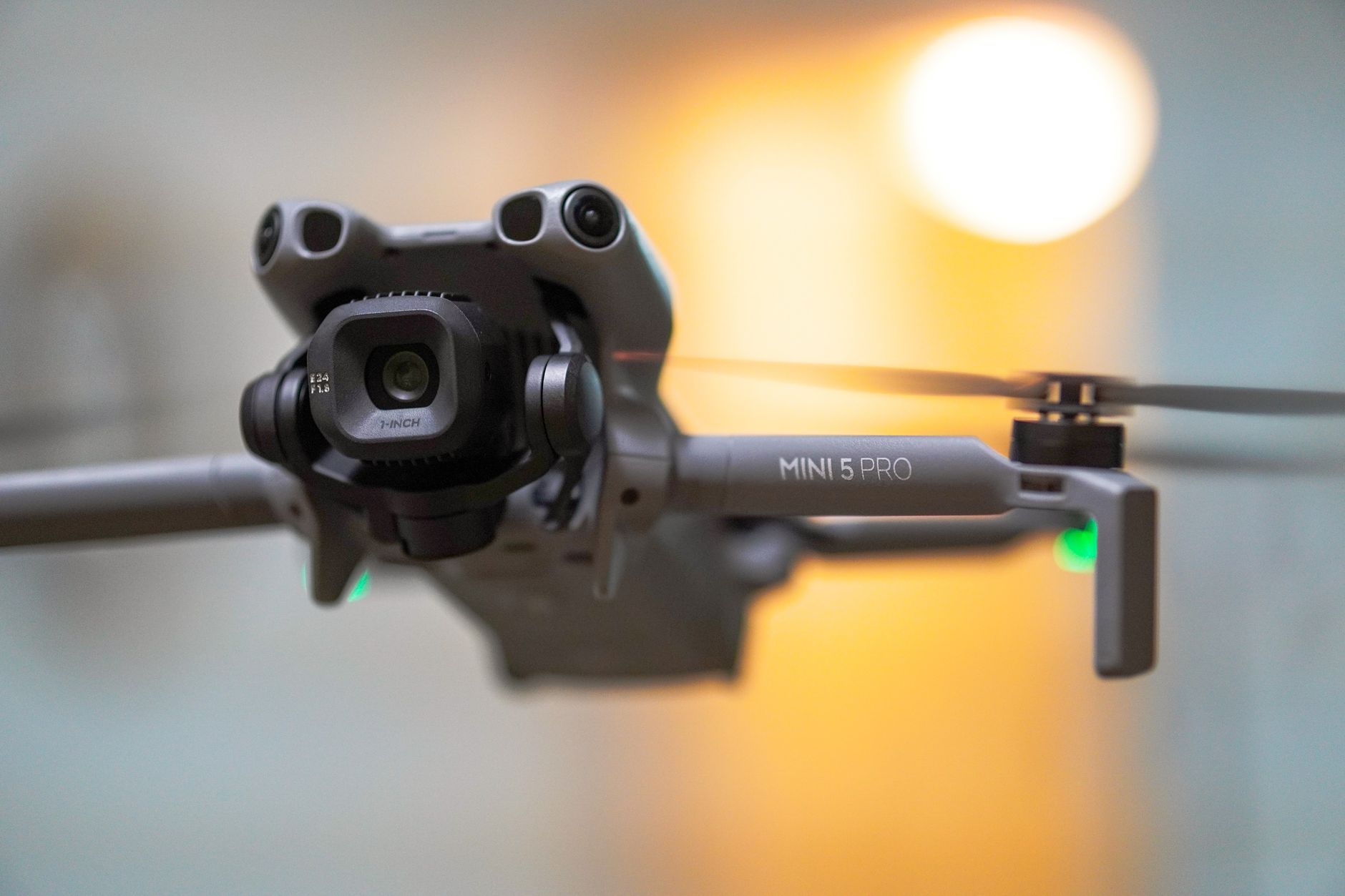
With the FAA’s Remote ID compliance deadline now fully enforced and DJI’s September 2026 product refresh just weeks away, first-time drone buyers are facing a marketplace more crowded—and more confusing—than ever. Walk into any electronics store or scroll Amazon for ten minutes and you’ll find fifty “beginner friendly” quadcopters ranging from $39 to $1,400, all promising cinematic footage and effortless flight.
Here’s the truth most guides won’t tell you: the perfect beginner drone in 2026 isn’t the one with the longest spec sheet. It’s the one you’ll actually fly, learn from, and not immediately regret buying. This beginner drone buying guide 2026 strips away marketing fluff and focuses on five critical questions that separate worthwhile first purchases from expensive mistakes.
What Will You Actually Do With It? (Be Honest)
This sounds obvious, but impulse buyers routinely skip it. The drone industry has fragmented into distinct use cases, and “beginner” means different things depending on your actual goals.
Casual backyard flying demands almost nothing—a sub-250g drone with basic stabilization handles this effortlessly. The DJI Mini 4K (around $299) or even the surprisingly capable Potensic Atom SE ($199) deliver genuine fun without regulatory headaches. These weigh under 250g, exempting you from Remote ID requirements and Part 107 considerations.
Aerial photography aspirations require a gimbal-stabilized camera, not just “4K” slapped on a marketing box. Look for three-axis mechanical stabilization minimum. The Mini 4 Pro remains the entry-level gold standard here at roughly $759, though the emerging Autel EVO Nano+ ($599) offers comparable image quality with slightly worse obstacle avoidance.
FPV curiosity needs an entirely separate conversation. If you’re dreaming of freestyle acrobatics or cinematic dives, a ready-to-fly FPV kit like the DJI Avata 2 ($999 with goggles) works, but many serious FPV pilots eventually build custom rigs. Budget $300-500 for a proper simulator setup first—it’s non-negotiable for developing muscle memory without destroying hardware.
Potential commercial work changes everything. Even basic real estate photography demands Part 107 certification, insurance, and equipment that inspires client confidence. Starting commercial-grade typically means $1,200+ minimum.
Your honest answer here determines whether you spend $200 or $2,000 wisely.
How Much Should a Real Beginner Actually Spend?
The “buy cheap, buy twice” cliché isn’t always true in drones. Here’s a practical 2026 spending framework based on actual learning curves:
$150–$300: The “Discovery” Tier
- DJI Mini 4K, Ryze Tello EDU, Holy Stone HS720R
- Perfect for: Confirming you’ll actually fly regularly
- Hidden cost: You’ll outgrow camera quality within 6-12 months if photography interests you
$400–$800: The “Serious Hobbyist” Sweet Spot
- DJI Mini 4 Pro, Autel EVO Nano+, used Air 3 units
- Where most committed beginners should land
- Features that matter: omnidirectional obstacle avoidance, 10km+ transmission, raw photo capability
$1,000–$1,500: The “Skip the Upgrade” Zone
- DJI Air 3S, used Mavic 3 Classics
- Only recommended if you’ve already logged 20+ hours on borrowed or cheaper gear
Critical 2026 consideration: Remote ID compliance. Fully compliant drones cost more but eliminate future headaches. The DJI Mini 4 Pro and newer Air 3S include built-in Remote ID broadcast modules. Cheaper alternatives often don’t—meaning additional retrofit costs or flight restrictions.
One underappreciated money-saving tactic: buy refurbished directly from manufacturers. DJI’s certified refurbished program typically saves 15-20% with identical warranties. Given how quickly beginners progress, a “like new” Mini 4 Pro at $599 often outperforms a new bare-bones model.
Which Features Actually Matter for Learning?
Manufacturers love feature lists. Beginners need maybe six things done well:
1. Reliable GPS Return-to-Home Not glamorous, but this single feature prevents more lost drones than anything else. Verify it works before flying beyond visual line of sight. Test it deliberately on your first few flights at 50 meters—initiate RTH and observe behavior.
2. Downward Vision Sensors Minimum True omnidirectional avoidance (front/back/left/right/up/down) is ideal but expensive. At minimum, downward sensors enable stable hovering and precision landing. Flying without them in wind is genuinely frustrating for new pilots.
3. 20+ Minute Real-World Flight Time Advertised times are fantasy. A “34-minute” rating typically means 24-26 minutes in practice, accounting for wind, aggressive maneuvers, and the 20% battery reserve smart pilots preserve. Budget for two batteries minimum—three transforms your learning sessions.
4. OcuSync 3.0 or Equivalent Transmission WiFi-controlled drones in the $100-200 range suffer brutal signal dropouts beyond 200 meters. DJI’s OcuSync, Autel’s SkyLink, or similarly robust systems maintain connection through trees and mild interference. This matters enormously for confidence.
5. ActiveTrack or Equivalent Following moving subjects teaches camera movement fundamentals without requiring simultaneous piloting and filming. The Mini 4 Pro’s updated ActiveTrack 360 is genuinely impressive for the price tier.
6. Geofencing You’ll Actually Update Yes, it frustrates experienced pilots. For beginners, geofencing prevents accidental airport violations and the associated FAA enforcement. Ensure your chosen manufacturer updates no-fly zones regularly—DJI and Autel both do; dozens of budget brands don’t bother.
New vs. Used vs. Refurbished: The 2026 Market Reality
The used drone market exploded in 2026 as Remote ID compliance created a two-tier system. Here’s how to navigate it:
Buy new if: You want full warranty, need Remote ID compliance built-in, or lack technical confidence to assess used condition.
Buy refurbished if: You want 15-20% savings with warranty protection. Manufacturer programs only—avoid third-party “refurbished” listings on eBay with no stated repair history.
Buy used if: You have an experienced pilot friend who can inspect the aircraft, or you’re buying from a reputable community member with documented flight logs. Red flags: any hard landing history, gimbal drift, or battery swelling.
Avoid entirely: Any drone without verifiable Remote ID compliance if you plan flying after September 2026. Pre-2023 DJI models, many Holy Stone units, and virtually all toy-grade drones fall into this category. The retrofit module market remains expensive and technically messy.
One emerging 2026 trend: rental programs. Services like Fat Llama and local drone clubs increasingly offer weekly Mini 4 Pro rentals at $75-100. For genuinely uncertain buyers, two weekends of rental costs less than selling a regretted purchase at loss.
Your First 30 Days: A Learning Roadmap
Buying the drone matters less than actually learning it. Here’s a proven progression:
- Days 1-3: Simulator time. DJI’s built-in simulator, Velocidrone, or Liftoff. Master orientation—facing different directions while maintaining control.
- Days 4-7: Wide open space, 10-meter altitude maximum. Basic squares, circles, figure-eights. Land manually every time; don’t rely on auto-land.
- Week 2: Add altitude to 50 meters, practice RTH initiation, test wind limits gently.
- Week 3: Introduce camera movement—slow pans, gentle orbits using ActiveTrack.
- Week 4: First “project”—a 30-second edited clip or five still photographs with deliberate composition.
This progression assumes 3-4 flights weekly. Rushing it correlates directly with crashes.
Conclusion: Making Your 2026 Beginner Drone Purchase Count
The best beginner drone buying guide 2026 ultimately leads to one realization: start smaller than your ego suggests, but not so small that you outgrow it in a month. The $299 Mini 4K teaches genuine skills if you’ll actually fly it. The $1,599 Air 3S collects dust if you’re intimidated by complexity.
Match honest use-case assessment with realistic budget allocation, prioritize the six features that actually accelerate learning, and commit to structured practice rather than random weekend flights. The pilots who progress from “beginner” to “competent” in 2026 aren’t those who bought the most expensive equipment—they’re the ones who asked the right questions first, then flew consistently.
Your first drone purchase is a gateway, not a destination. Choose wisely, fly regularly, and remember that every expert pilot once hovered nervously at three meters, wondering if they’d made a terrible mistake. They hadn’t. Neither will you, with the right preparation.